In 2019, Zion National Park once again held its spot as the fourth most-visited national park in the country.
As Utah’s very first national park, Zion is a place where history, adventure, and natural beauty come together in unforgettable ways. From its very beginning, Zion has stood not only as a natural wonder but also as a site with deep spiritual and historical roots, echoing the foundational origins that have inspired generations.
The name “Zion” itself draws from ancient traditions, symbolically linking the park to Jerusalem—a city of immense biblical, spiritual, and historical significance. Jerusalem, often referred to as Mount Zion in religious texts, has long been a center of faith, culture, and identity, and its connection to Zion National Park adds layers of meaning for many visitors. In spiritual traditions, Zion is also associated with the concept of the “new Jerusalem,” representing the hope for a future sacred city and the fulfillment of divine promises, further enriching the park’s enduring symbolism.
Over time, the city and its landmarks were built and developed, much like the historical and archaeological evolution seen in Zion and its surrounding communities. This ongoing development reflects the park’s layered past and the many people who have contributed to its story.
Visiting Zion is not just about seeing breathtaking landscapes—it’s about experiencing the reality of a place where natural beauty and the fulfillment of spiritual or historical aspirations come together.
But while it may be a popular destination for international and domestic tourists alike, if you want to enjoy a safe, fun visit to the park, you’re going to want to do a bit of pre-planning. Keep reading to learn 7 tips to help you master your first visit to the park.
Introduction to Zion National Park
Zion National Park, located in the heart of southwestern Utah, is a breathtaking destination that draws visitors from around the world. As Utah’s very first national park, Zion is a place where history, adventure, and natural beauty come together in unforgettable ways. Managed by the National Park Service, the park is renowned for its towering red rock cliffs, dramatic canyons, and diverse wildlife. Whether you’re passionate about hiking, camping, climbing, or simply soaking in the scenery, Zion National Park offers endless opportunities to experience the wonders of the American West. With a rich history and a landscape shaped by millions of years, every visit to Zion is a chance to connect with nature and create lasting memories.
Getting to the Park
Reaching Zion National Park is straightforward, making it an accessible adventure for travelers from near and far. The park is conveniently located within driving distance of major cities like Las Vegas, Salt Lake City, and even the Grand Canyon, making it a perfect addition to any Southwest road trip. Most visitors arrive via State Route 9, which winds through the scenic landscapes of Utah, or by Interstate 15. The Carmel Highway is another popular route, offering stunning views as you approach the park. If you’re flying in, the nearest airport is St. George Regional Airport, but many visitors from New York or other East Coast cities choose to fly into Las Vegas and enjoy the picturesque drive to Zion—especially appealing in the quieter months if you follow key Southern Utah winter driving and safety tips. Once you arrive, the free Zion Canyon Line shuttle makes it easy to explore the park’s highlights without the hassle of parking, while hiking and biking are great ways to experience the beauty of Zion Canyon up close.
1. Plan Ahead
Southern Utah offers plenty of destinations that are perfect for a last-minute weekend getaway, especially when you catch the region’s fall colors and scenic drives. But for your first visit to Zion National Park, you’re going to want to plan ahead a bit more than that.
There are plenty of reasons to plan far ahead for your first visit. To start, like most national parks, Zion is packed with hiking trails, overlooks, and other activities to enjoy. Make sure to give yourself plenty of time to explore your options and choose the right trails for your group. Some activities or hikes in Zion, such as Angels Landing’s permit-required hike or The Subway, require permits, so it’s important to secure these in advance.
When planning your trip, be sure to seek out reliable information guides and resources that provide comprehensive details about park features, history, accessibility, and available activities, such as this dedicated Zion National Park information page. This will help you prepare and make the most of your visit.
Zion National Park is unique from many parks in the way that visitors get around. For most of the year, you’ll need to hop on the shuttle in order to ride along Zion Canyon Scenic Drive. Because most of the park’s most popular overlooks and trailheads are located along the Scenic Drive, you’re going to want to know the ins and outs of using the shuttle system prior to your visit.
It’s also a good idea to research the right time for your visit before you head to the park. For instance, holiday weekends like the Fourth of July and Memorial Day are guaranteed to be busy. If you don’t want to deal with long lines and heavy crowds on your first visit, it’s best to avoid these times. Visiting during the off-season or through the week is great for sharing the trails with fewer people, and many visitors love timing a trip around Zion’s best fall hikes and foliage.
2. Be Patient
Even on a chilly winter day, Zion’s lower canyon, popular trails, and most iconic overlooks are going to draw a crowd.
While standing in line for the shuttle or waiting your turn to start a trail may be a different experience from what you’ve had in other national parks, Zion is well worth the wait. There’s a very good reason for the number of guests that make their way through the park each year; it’s truly breathtaking.
Don’t let crowds, slow traffic, or lines ruin your visit. Instead, be patient, friendly, and courteous of others. After all, everyone is there for the same reason. No matter how you choose to experience Zion, the memories you make and the impact of the park will matter for years to come. Remember that staff and park rangers are doing their best to keep everyone safe, and be respectful of any and all rules or closures that are put in place to manage crowds, as well as broader national park etiquette and common mistakes to avoid.
3. Don’t Just Head to the Landmarks
While you should certainly take a ride on the Zion Canyon Shuttle, snap a few souvenir photos of Angels Landing and the Watchmen, and stroll along the Virgin River, there’s more to see in Zion than just its most iconic landmarks.
If your first visit allows enough time, plan to visit some of the park’s lesser-known hiking trails and scenic areas, as well as a few of the top must‑do hikes in Zion National Park if they fit your group’s abilities.
One must-see is Kolob Canyons. Because you can’t reach this section of the park without driving out of Zion, many visitors never even realize that they’ve missed it. Equally as stunning as the lower canyon, Kolob Canyons features sandstone arches, red rock cliffs, and plenty of scenic hiking trails that rarely see a crowd. For experienced hikers, The Subway is a unique and challenging slot canyon hike that requires preparation and a permit, offering a truly unforgettable adventure. Exploring the canyon floor in Zion provides a different perspective of the park’s dramatic landscape, letting you experience the towering cliffs and lush scenery from below.
4. Ask a Ranger
Planning to hike certain trails or enjoy activities like biking ahead of time is a great way to ensure that you’re prepared. Unfortunately, flash floods, rain, ice, and other weather can sometimes derail those plans at the last minute.
This doesn’t mean that you’ll be left scrambling. Instead, simply head to the Zion Canyon Visitor Center and chat with a ranger. They’ll be able to help you change your plans, can recommend new trails, or offer advice for staying safe in the park.
If you’re thinking about hiking to Angels Landing or the Narrows during your visit, it’s a good idea to stop and talk to rangers first. They can let you know whether conditions in the park are safe that day and offer advice for your first trip.
5. Be Prepared
Zion National Park is a popular destination for families, young and old. But like all national parks, it’s important to remember that this isn’t an amusement park. Even on shorter trails or at overlooks, you’re exploring the great outdoors. There is wildlife in the park. During the summer months, the temperatures in the canyon can soar to triple digits. Many trails, including Angels Landing, in particular, feature narrow hikes with steep drop-offs. Losing your footing could be deadly.
These tips aren’t meant to scare you out of a visit; instead, they’re to remind you to be prepared. Pack more water than you expect to use, especially if you’ll be taking on a lengthy hike. Wear appropriate clothing, including a pair of sturdy hiking boots with good tread. If you do have your heart set on hiking to Angels Landing or the length of the Narrows, make sure that you’re ready, physically. You might also want to consider some practice hikes in the weeks and months leading up to your trip.
6. Carry a Map
This goes along with being prepared for your visit. Even on shorter hikes, you should carry a map of the park. Many of Zion’s trails cross over one another or share trailheads. A map can help you stay on track so that your short one-mile hike doesn’t turn into a day-long trek.
7. Book Your Stay in Advance
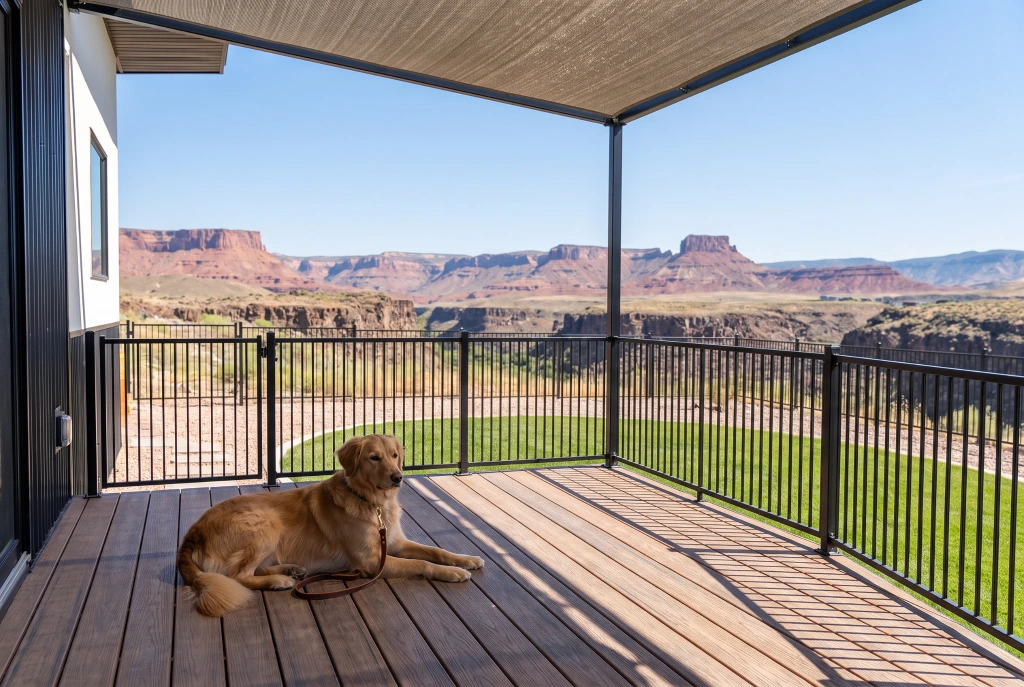
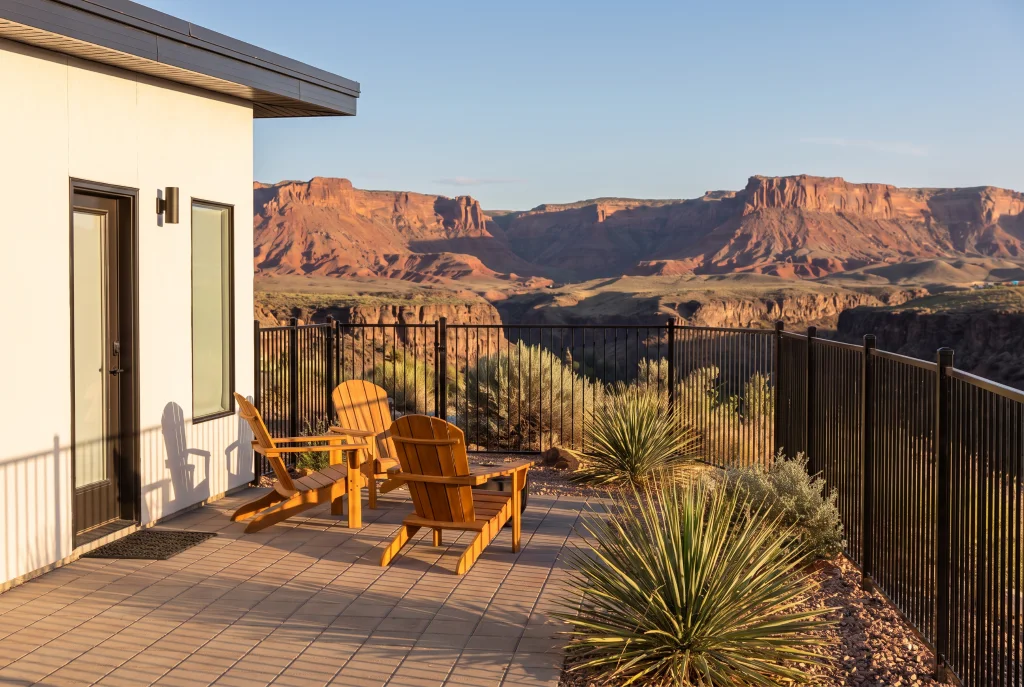
Zion is a popular place for a visit, especially during the summer months. While there are plenty of lodging options, if you want to stay somewhere incredible during your trip, like The Dwellings’ tiny home rentals near Zion, book your stay as far in advance as possible!
Exploring the Surrounding Area
The adventure doesn’t stop at the park’s borders—Greater Zion is filled with activities and attractions waiting to be discovered. The charming town of Springdale, located just outside the park entrance, is a hub for visitors, offering a variety of restaurants, shops, and comfortable accommodations. The Virgin River, which winds through Zion National Park, provides opportunities for swimming, fishing, and kayaking, while the surrounding desert and mountains invite exploration, hiking, and climbing. For those interested in local culture and history, the nearby city of St. George offers museums, galleries, and a vibrant downtown scene. Don’t miss the Zion Human History Museum, where you can learn about the park’s fascinating geology and the people who have called this area home. Whether you’re seeking outdoor adventure or a relaxing day in town, the area around Zion National Park is filled with experiences to suit every traveler, from diverse local dining to guided adventures highlighted in this Southern Utah food and activities guide.
Dining and Shopping Options
When it’s time to refuel or find the perfect souvenir, Zion National Park and its surrounding area have you covered. Inside the park, the historic lodge nestled in Zion Canyon features dining options like the Red Rock Grill and Castle Dome Café, where you can enjoy a meal with a view. Just outside the park, Springdale is a food lover’s paradise, offering everything from gourmet dining to casual cafes and local coffee shops. For those looking to take a piece of Zion home, the park’s gift shop offers a variety of souvenirs, books, and park-themed items. Springdale’s shops and galleries showcase local artwork, handcrafted goods, and unique gifts you won’t find anywhere else. During the busy season, visitors can also enjoy outdoor dining and browse the Springdale Farmers’ Market or relax at the Zion Canyon Brew Pub after a day of adventure.
Conservation Efforts
Zion National Park is more than just a place of beauty—it’s a living example of conservation in action. Guided by the National Park Service, the park is dedicated to preserving its natural wonders and cultural heritage for generations to come. Conservation efforts in Zion include habitat restoration, wildlife management, and innovative programs to reduce waste and energy use. Visitors play a vital role in these efforts by making sustainable choices, following key Leave No Trace practices in Zion, and participating in volunteer opportunities during their visit. The word Zion itself means “refuge” or “sanctuary,” and the park truly lives up to its name as a wonder and a symbol of hope for the world. By working together, we can ensure that Zion National Park remains a place of inspiration, adventure, and refuge for people from all walks of life—today and for years to come.
Start Planning Your First Visit to Zion National Park Today
Now that you know a few tips to make planning your first visit to the park a bit easier, it’s time to get to work!
Whether you’re planning an adventure this summer or later in the year, it’s never too early to book your stay. Check out our Dwelling options to choose the perfect one for your visit. For more detailed information and trip planning resources, visit our dedicated Zion information page.
Related to Zion National Park:
Things to Do in La Verkin, Utah: Explore Top Outdoor Adventures