Zion scenic drive routes offer the most breathtaking way to experience Zion National Park’s towering canyon walls, the winding Virgin River, and the stunning red rock formations that define southern Utah. Whether you’re planning your first trip to this iconic park or returning to explore new routes, understanding the scenic drive system is essential for maximizing your visit while avoiding the crowds and traffic that can diminish the experience.
This guide covers the four main scenic drives within Zion: the Zion Canyon Scenic Drive, the Zion Mount Carmel Highway, Kolob Canyons Road, and Kolob Terrace Road. We focus specifically on route planning, viewpoint locations, and timing strategies rather than detailed hiking guides or camping specifics. This information serves first-time visitors to Zion planning a scenic driving experience, families seeking accessible park views without strenuous hiking, and travelers wanting to explore the best scenic drives during limited vacation time.
The park offers four distinct scenic drive options, with the Zion Mount Carmel Highway being the most accessible year-round route for private vehicles, while the Zion Canyon Scenic Drive requires shuttle access from March through November.
By the end of this guide, you will gain:
- Complete route planning knowledge for all four scenic drives
- Specific viewpoint locations and their best times for photography
- Timing strategies to beat the crowds during busy season
- Understanding of seasonal access variations and shuttle system requirements
- Accommodation recommendations near the park for a peaceful, crowd-free base camp
Understanding Zion’s Scenic Drive System
Zion’s scenic drives are the major traversable roads offering panoramic views, pull-outs, and access to viewpoints throughout the park’s diverse terrain. Rather than purely trail-based access, these routes allow visitors to experience the grandeur of Zion Canyon, the dramatic Kolob Canyons section, and the sweeping vistas of the Carmel Highway from the comfort of their car or the free shuttle system.
These drives connect to create a complete Zion driving experience, linking the south entrance near Springdale to the east entrance, with additional routes reaching into the park’s quieter northwest wilderness areas.
Zion Canyon Scenic Drive in National Parks
The Zion Canyon Scenic Drive runs approximately 7 miles along the canyon floor from the visitor center to the Temple of Sinawava, following the Virgin River through some of the park’s most dramatic scenery. From March through November, this route is closed to private vehicles, requiring visitors to ride the free Zion Canyon shuttle system to access the pullouts and trailheads.
The shuttle system operates nine stops along the canyon, including the Human History Museum, Canyon Junction, Court of the Patriarchs, and the Grotto. Riding the full length takes approximately 40 minutes one-way, with shuttles running every 6 minutes during peak summer months. This restriction exists to protect the canyon environment and provide a better experience for all visitors, as the narrow road simply cannot accommodate the traffic volume the park now receives during busy season.
Zion Mount Carmel Highway National Scenic Byway
The Zion Mount Carmel Highway (State Route 9) stretches 11 miles through the park, connecting the south entrance to the east entrance and providing year-round access for private vehicles meeting size requirements. This route features the historic 1.1-mile Zion Mount Carmel Tunnel, completed in 1930 and now recognized as a Historic Civil Engineering Landmark.
Unlike the canyon drive, you can drive directly through this section in your own car regardless of season, making it the most flexible option for visitors exploring the park. The highway climbs through dramatic switchbacks, passes the stunning Great Arch, and rises onto the plateau with scenery of the surrounding mountains and broad view opportunities, including Checkerboard Mesa and vistas toward Bryce Canyon National Park to the northeast.
This route complements the canyon drive experience by offering entirely different perspectives from the intimate canyon floor to sweeping rim views across the red rock landscape.
Planning Your Zion Scenic Drives Route
Building on your understanding of the drive system, let’s explore the specific stops, optimal timing, and seasonal considerations that will shape your perfect journey and road trip through one of America’s most famous national parks in Utah’s red rock paradise.
Essential Stops and Viewpoints
Southern Gateway Highlights: Begin your exploration at the Watchman Overlook near the visitor center, where early morning light illuminates the Watchman Peak. Canyon Junction Bridge offers excellent photography opportunities with views up the main canyon and serves as the intersection where the shuttle route and the Carmel Highway diverge.
Along the Canyon and Highway: Court of the Patriarchs is one of the key points along the route, featuring three massive sandstone peaks named Abraham, Isaac, and Jacob. The Great Arch, visible from pullouts along the Zion Mount Carmel Highway, showcases one of the largest blind arches in the world carved into the canyon walls.
Eastern Park Features: The Zion Mount Carmel Tunnel windows offer dramatic framed views of the canyon during your passage through. After emerging from the tunnel, Checkerboard Mesa displays striking crosshatched sandstone patterns that make it one of the route’s standout attractions. The Canyon Overlook Trail, a short hike starting near the tunnel’s east end, provides expansive views down into Zion Canyon and pairs perfectly with top fall hikes in Zion National Park when autumn colors peak.
Optimal Timing Strategies
Arriving before 7am, particularly during peak season from March through November, dramatically improves your experience. At this hour, parking at the visitor center remains available, shuttle wait times are minimal, and the low-angle morning sun creates stunning light on the canyon walls while temperatures remain comfortable.
For photography, early morning light favors the main canyon’s west-facing walls, while late afternoon creates warm golden tones on Checkerboard Mesa and the eastern features along the Carmel Highway. The best scenic drives happen in these shoulder hours, when you’ll find the route more peaceful with fewer people at popular places, since most day visitors have either not arrived or have departed.
During shuttle season, plan to ride into the canyon early, explore the stops you’re most interested in, then return to the visitor center by mid-morning to drive the Zion Mount Carmel Highway while traffic remains lighter.
Seasonal Route Variations
Winter Access (December-February): During these cooler temperatures months, private vehicles are permitted on the Zion Canyon Scenic Drive, offering a rare opportunity to explore the canyon floor at your own pace. Snow may occasionally close portions of the Mount Carmel Highway, so check conditions before your trip, as some roads may remain snow-covered at night. Be prepared with winter driving safety tips for Southern Utah.
Summer Shuttle Requirements: The shuttle system operates at full capacity with maximum frequency. Consider the Kolob Canyon section as an alternative when main canyon crowds peak, as this remote area receives a fraction of the visitation while offering equally stunning views.
Fall and Spring Shoulder Seasons: These periods offer the ideal balance of manageable crowds, comfortable temperatures, and either autumn colors or spring wildflowers, with meadows in bloom during spring. The shuttle schedule typically begins in mid-March and extends through late autumn, with occasional year-to-year adjustments alongside Zion National Park visit updates and tips.
Complete Zion Scenic Drive Road Trip Itinerary
With route knowledge established, here’s how to structure an ideal day exploring Zion’s scenic drives, designed to maximize your experience while minimizing time spent in traffic and crowds, while also leaving time to enjoy other top scenic drives in Southern Utah.
Step-by-Step Drive Sequence
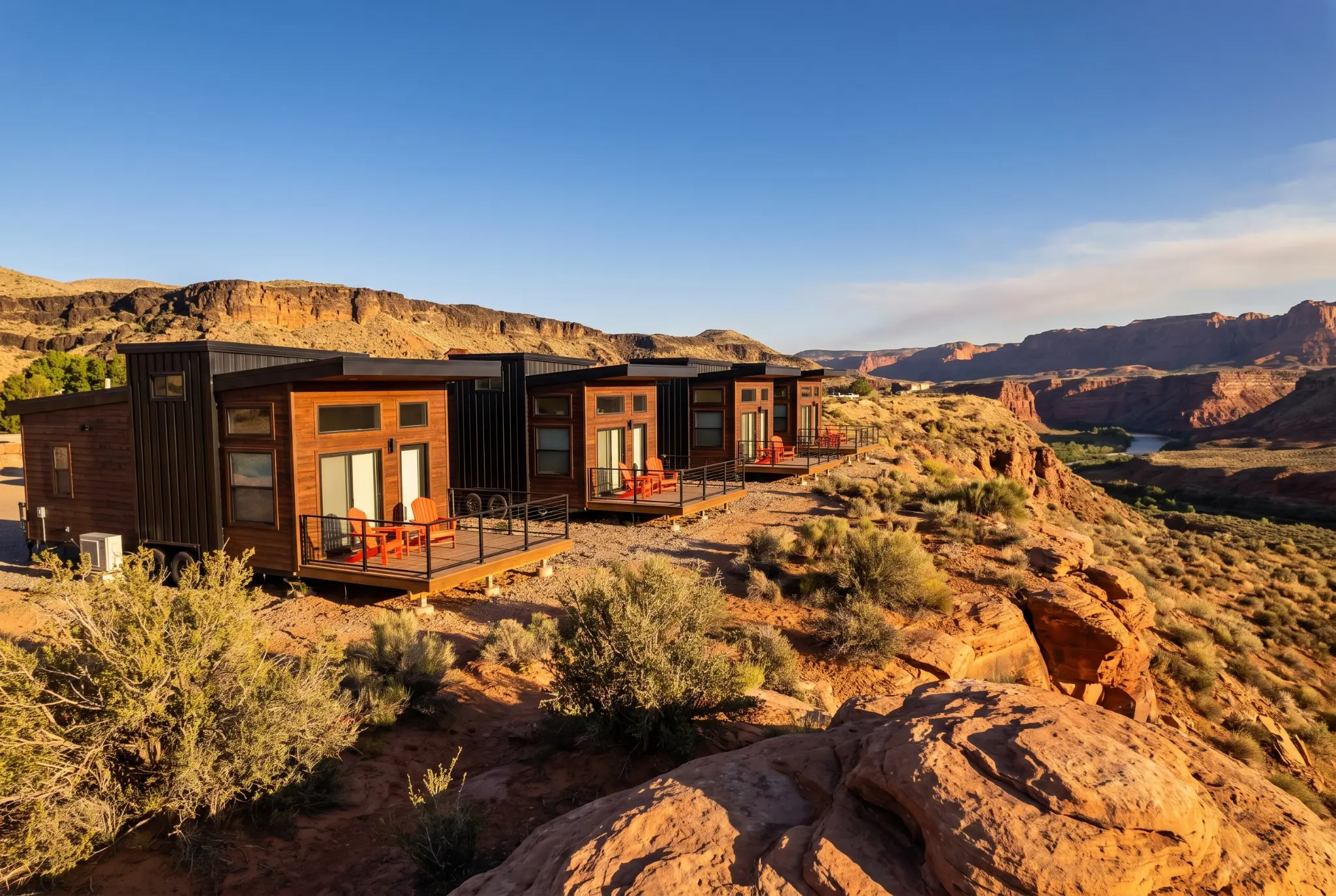
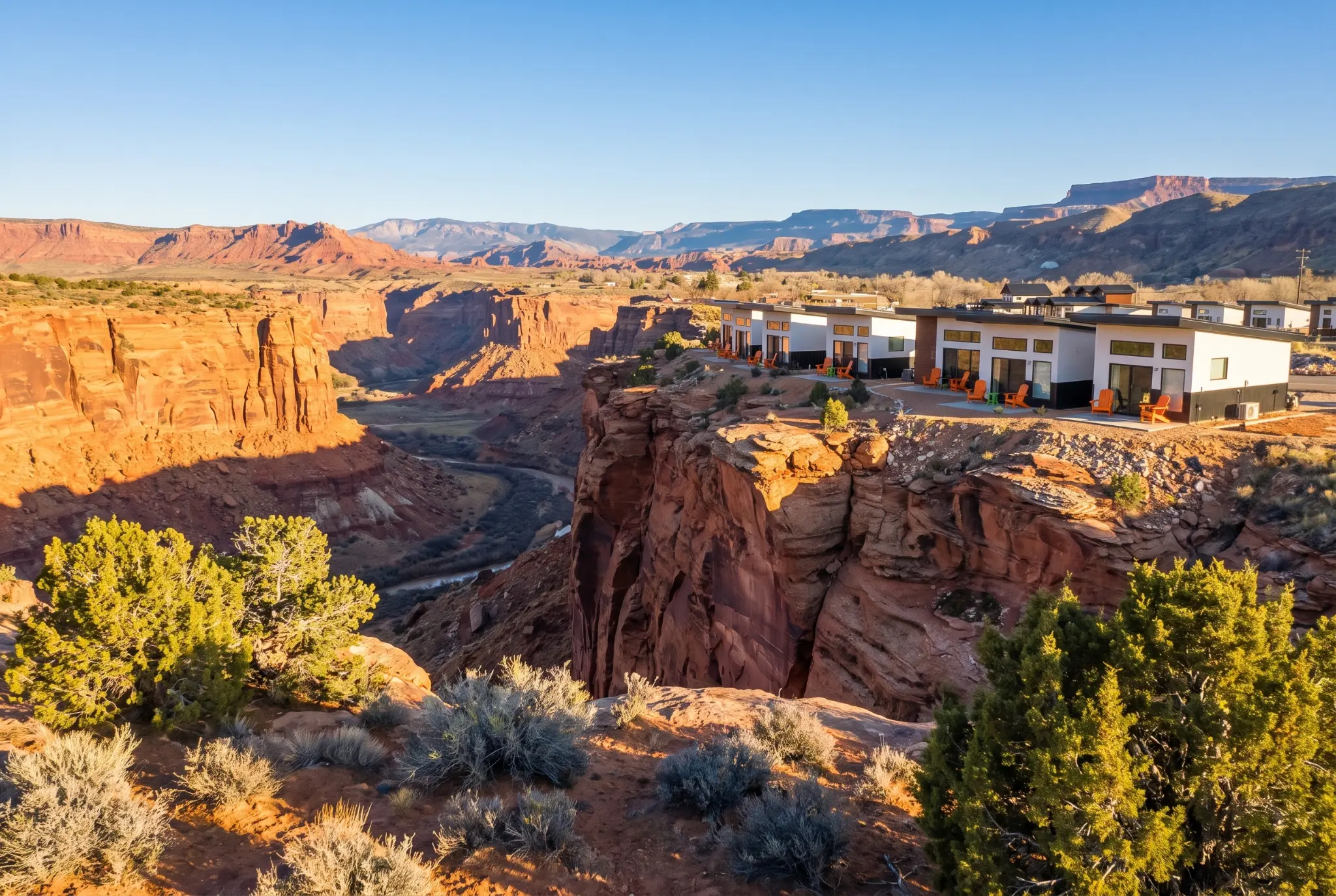
This itinerary works best when you start early from a nearby peaceful location consider a nearby overnight stay, since staying at The Dwellings tiny home vacation rentals near Zion positions you perfectly, just minutes from the south entrance without the chaos of in-park lodging.
- Arrive at Zion Canyon Visitor Center (6:30-7:00 am): Secure parking while spaces remain available, grab a Zion park map, and check current conditions with rangers
- Board the Zion Canyon Shuttle: Ride to the Temple of Sinawava first (the end of the route), then work your way back, allowing crowds to flow past you
- Key Shuttle Stops: Exit at Big Bend for riverside views, the Grotto for the lodge area, and Court of the Patriarchs for the iconic peaks
- Return and Drive the Carmel Highway: Exit the shuttle and drive directly toward the east entrance along this designated scenic route, stopping at the tunnel windows, Canyon Overlook Trail, and Checkerboard Mesa
- Optional Kolob Extension: If time permits, drive north from Springdale to explore Kolob Terrace Road toward Kolob Reservoir, or access the Kolob Canyons section near Cedar City for the Timber Creek Overlook Trail
- Return Route: Either continue east toward Bryce Canyon National Park or return through Springdale to your peaceful accommodation at The Dwellings; if you want more time, stay another night to discover nearby small towns with rich history.
Zion Scenic Drive Route Comparison
Route comparison guide
| Criterion | Zion Canyon Scenic Drive |
Zion Mount Carmel Highway |
Kolob Canyons Road |
Kolob Terrace Road |
|---|---|---|---|---|
| Distance | 7 miles | 11 miles | 5 miles | 44 miles |
| Vehicle access | Shuttle only (March–Nov) |
Private vehicles year-round |
Private vehicles | Private vehicles |
| Best season | All seasons | Spring through fall | Year-round | Late spring to fall |
| Key highlights | Virgin River, canyon floor views | Tunnel, Checkerboard Mesa | Timber Creek, red cliffs | High elevation, remote views |
| Crowd level | Highest | Moderate | Low | Very low |
| Time needed | 3–4 hours minimum | 1–2 hours | 1 hour | 2–3 hours |
Choosing Your Route: For first-time visitors, combine the Zion Canyon Scenic Drive with the Zion Mount Carmel Highway for the classic Zion experience. Those seeking solitude should head to Kolob Canyons Road and visit the Kolob Canyons Visitor Center for the park’s quieter northwest section. Visitors with more time can explore the Kolob Terrace Road as a unique option among the park’s scenic byways, with higher elevation views and cooler temperatures during summer.
Common Challenges and Solutions
Understanding typical issues visitors face allows you to plan proactively and enjoy a smoother trip through the park.
Overcrowding and Parking Difficulties
The visitor center parking lot often fills by 8am during busy season, leaving late arrivals circling in frustration. The solution combines early arrival (before 7am), utilizing Springdale’s paid parking with the free town shuttle, and most effectively staying at accommodations like The Dwellings where you wake up to peaceful views on your private patio, then drive the short distance to the park before crowds descend, an especially useful setup if you need EV charging options around Zion National Park. This proximity without the chaos transforms your entire experience.
Shuttle System Confusion
Many visitors arrive unsure whether they need the shuttle, when it runs, or how to use it effectively. The clarity: private vehicles cannot access Zion Canyon Scenic Drive from March through November (roughly). The shuttle is free with your entrance fee, runs continuously with multiple stops, and you can exit and re-board at any stop. Lodge guests receive a special pass to drive only to the lodge, not to other stops. Download the current shuttle schedule from the park’s InfoGuide before your visit.
Weather and Road Closure Impacts
The Zion Mount Carmel Tunnel has strict size restrictions: vehicles over 11 feet 4 inches tall, 7 feet 10 inches wide, 35 feet 9 inches long, or 50,000 pounds are prohibited as of June 2026. If you’re traveling in a larger RV, plan alternate routes avoiding the tunnel. Winter weather can close the highway temporarily, and flash flood warnings may affect canyon areas. Check the park’s real-time conditions before departing and have backup plans for Kolob Canyons Road if your primary route faces closures.
Conclusion and Next Steps
Successful Zion scenic driving requires advance planning, timing awareness, and route flexibility. The combination of shuttle-only access on the canyon drive, seasonal variations, and recent vehicle size restrictions on the Carmel Highway means spontaneous visits often result in frustration, while prepared visitors enjoy the park’s full splendor.
Your immediate next steps:
- Check current shuttle schedules on the official Zion National Park website
- Book accommodations at The Dwellings for proximity to the south entrance, peaceful surroundings away from crowds, and beautiful views right outside on your private patio
- Download offline maps of the park and surrounding scenic byway options
- Measure your vehicle if driving anything larger than a standard car to ensure tunnel compliance
- Plan a 7am arrival time during shuttle season for optimal parking and crowd avoidance
Consider exploring the hiking trails accessible from scenic drive stops, such as the easy Timber Creek Overlook Trail in Kolob Canyon or the short hike to Canyon Overlook, or branch out to some of the must-do hikes in Zion National Park if you want to balance driving with time on the trail. For extended exploration, connect your Zion trip with the Utah Scenic Byway 12 toward Bryce Canyon National Park and Grand Staircase-Escalante.
Additional Resources
- Current Shuttle Schedules: Available in the park’s seasonal InfoGuide at nps.gov/zion
- Real-Time Road Conditions: Check park alerts for tunnel restrictions, weather closures, and flash flood warnings
- Vehicle Size Guidelines: Vehicles exceeding 11’4” height, 7’10” width, 35’9” length, or 50,000 lbs are prohibited on the Zion Mount Carmel Highway as of June 2026
- The Dwellings: Located near the park with peaceful views and private patios, providing the perfect base for early-morning park access without overnight crowds