In 2020, Zion National Park saw an uptick in graffiti in the park. From spray paint on rocks to carvings to mud handprints, these instances left an irreversible mark on the park.
In some cases, the graffiti can be removed. But even then, it comes at a high cost, with park staff spending hours of time and hundreds of dollars’ worth of resources. While the graffiti is there, it prevents other visitors from enjoying the natural beauty that Zion is known for. And, even after it’s been removed, graffiti of all kinds will harm plant and animal life around it.
Graffiti wasn’t the only damage on the rise in recent years. As the number of visitors to national parks across the nation, including Zion, increased, so too did the amount of litter left behind, damage to plant life caused by visitors leaving marked trails, and more.
If you’re planning a visit to The Dwellings, it’s important to do your part to protect it. Keep reading to learn how to practice the principles of “Leave No Trace” during your next visit.
What is “Leave No Trace?”
The idea of “Leave No Trace” is over a half-century old, though it’s only been widely taught to national park visitors for the last few decades. Created by the National Park Service, the Bureau of Land Management, and the U.S. Forest Service, the 7 principles of Leave No Trace are designed to educate visitors to any outdoor destinations about the importance of protecting our natural resources and on how to enjoy them safely.
Whether you’re planning to visit a national park for a simple picnic or a multi-day backpacking adventure, the same 7 principles apply. Let’s take a look at the 7 principles and what you need to do to practice them.
Plan Ahead and Prepare
The first principle of Leave No Trace is to plan ahead and prepare for your trip before you ever leave home. This involves a variety of types of planning. It means researching and choosing hiking trails ahead of time so that you can educate yourself on things like the amount of water you’ll need, as well as physically prepare. Even a small-scale rescue operation can cause extensive damage to the park and cost valuable resources.
Another element of planning ahead is preparing to pack out any trash you bring in. This includes packing out any leftover food scraps.
Travel & Camp on Durable Surfaces
Imagine that you are hiking on a trail in the woods and looking for a spot to take a break to snap a few photos or enjoy a quick snack. You spot a clearing through the trees and decide to step off the trail to get to it.
This action may seem harmless enough. But when you consider hundreds or thousands of visitors doing the same, the potential damage to plant and animal life becomes clear. Whether you’re hiking or pitching a tent, always do so on marked, designated trails.
Dispose of Waste Properly with Waste Management
Littering is another common problem national parks across the country are facing. Plastic bags get twisted up in trees, straws and other waste wash down waterways, and animals feast on food scraps and garbage. In addition to threatening their health initially, this can also lead to dependence, causing them to stop hunting for their natural food.
In Zion and throughout Lake County, waste and recyclables are collected on a regular schedule by the local waste management company. It is important to use the proper container for each type of waste: trash should go in approved garbage cans, recyclables in designated recycling bins or carts, and yard waste in approved paper bags or marked reusable containers.
The park provides extensive recycling for plastic, glass, cardboard, and metal at campgrounds and shuttle stops. Visitors and residents can recycle plastics, glass, cardboard, paper, and metal in Zion.
Metals accepted for recycling include aluminum and steel cans. Paper and yard waste should be placed in approved paper bags or marked reusable containers, such as 30-gallon plastic or metal garbage cans with drainage holes. All yard waste must be put into these approved containers, and yard waste pickup is scheduled to begin around the first of April and continues through the first of December.
Household hazardous waste, such as paint, oil, and cleaners, is not accepted in regular trash collection. Residents can dispose of latex paint at designated disposal events organized by local waste management authorities. Devices and white goods, such as discarded refrigerators and air conditioners, cannot be taken to a landfill and require scheduling a pickup with Waste Management Services. There is a fee of $45 for items containing Freon and $25 for non-Freon items.
Bulky waste, such as discarded furniture, is included with regular refuse collection but must be put out a little at a time for pickup. For large piles of debris, residents must arrange for a special pickup, which costs a minimum of $500.00 per load. Residents can schedule bulky waste pickups with Waste Management up to six times a year at no additional charge for one item per collection, and may put out more than one container of recyclable materials with no additional charge.
Textiles and clothing can be donated or recycled through local programs in Lake County, helping these materials be reused and kept out of landfills.
From picnic lunches and grill-outs to quick trail snacks, always plan ahead to dispose of your waste properly. Sometimes this will mean placing it in a garbage can or recycling bin. Other times, it may mean putting it in your backpack and taking it out of the park in order to dispose of it properly.
Leave What You Find
Much like wandering a few steps off a trail, picking a flower or bringing home a small, unique rock may seem harmless. But as the scale increases, so too does the damage.
Never remove any items from any park. If you want a souvenir, bring your camera to capture a few shots, or head to the gift shop located at most visitors’ centers to pick up postcards, t-shirts, and more.
If you have additional items or debris to dispose of, be sure to follow local guidelines for proper disposal and do not leave them behind in the park.
Minimize Campfire Impacts
This is one principle that may not apply to every visitor. But if you plan to camp during your visit to a national park, it’s important to practice fire safety. This includes building your fire in a designated ring or properly building your own if that’s permitted where you are camping.
Always check with park rangers ahead of time to find out if there are any burn bans in place at the time you plan to light your fire. Collect only fallen wood and branches instead of cutting them off of trees. If you’re going to buy firewood, do so locally rather than bringing it from home to avoid spreading pests.
Respect Wildlife
The graffiti in Zion wasn’t the only national park news to hit the web in 2020. In Yellowstone, close encounters with wildlife were also the subject of many news stories in the past year.
Respecting wildlife means several things. To start, never approach or attempt to touch or pet wildlife of any kind. While rock squirrels can sometimes approach tourists in Zion, mainly because some have become accustomed to being hand-fed, they can carry diseases that can be transmitted to humans with a bite.
When driving through a park, always follow speed limits, and keep your eyes peeled for wildlife. When you spot deer, bears, or any other wildlife, remain quiet and stay out of their way to avoid startling them.
Be Considerate of Other Visitors
Wildlife isn’t the only thing you should respect during your visit to a national park. It’s also important to be considerate of other visitors. This means talking in quiet tones on trails, never blasting music, and moving to the side on trails to make room for other hikers. If you’re visiting the park with a group, consider breaking your group into smaller units to hike trails to avoid creating crowds and bottlenecks.
Community Involvement: Protecting Zion Together
Protecting Zion National Park and the surrounding community is a shared responsibility, and the City of Zion is dedicated to making waste management easy and effective for all residents. By participating in local programs like recycling, yard waste collection, and bulk trash pickup, you can make a real difference in keeping our city clean and beautiful.
Residents have access to a variety of convenient waste management services. Curbside collection of trash, recycling, and yard waste is available on your designated collection day—just place your containers at the curb and Waste Management will handle the rest. If you need additional carts for extra waste or recycling, you can request them online or by contacting Waste Management directly at (847) 623-3870. The city also offers special pick-ups for large items such as furniture and appliances, making it easy to dispose of bulk trash without hassle.
For those looking to recycle electronics or other materials, Zion provides dedicated programs to help reduce waste and conserve valuable resources. These services not only keep hazardous materials out of landfills but also support a more sustainable community. Residents can visit the city’s website to learn more about recycling guidelines, collection schedules, and how to prepare materials for pick up.
It’s important to note that trash pickup schedules may change during observed holidays such as New Year’s Day, Memorial Day, Labor Day, Thanksgiving Day, and Christmas Day. If a holiday falls on your regular service day, collection may be delayed by one day. To stay up to date, check the city’s website for the latest information on holiday weeks and special collection services.
The City of Zion also partners with local businesses and organizations to promote sustainability and environmental stewardship. Through education and outreach programs, residents can learn how to reduce waste, properly prepare materials for recycling, and make eco-friendly choices every day. These efforts help create a cleaner, healthier, and more sustainable community for everyone.
By taking part in these initiatives, you’re not just managing your own waste—you’re helping to protect Zion’s environment for future generations. Whether you’re scheduling a bulk trash pickup, recycling electronics, or simply placing your yard waste at the curb, every action counts. For more information, visit the city’s website or contact Waste Management to obtain details about services, request additional carts, or schedule special pick-ups.
Let’s work together to keep Zion beautiful. With convenient waste management services, community involvement, and a shared commitment to sustainability, we can ensure our city and national park remain treasures for years to come.
Practicing Leave No Trace on Your Next Visit to Zion National Park
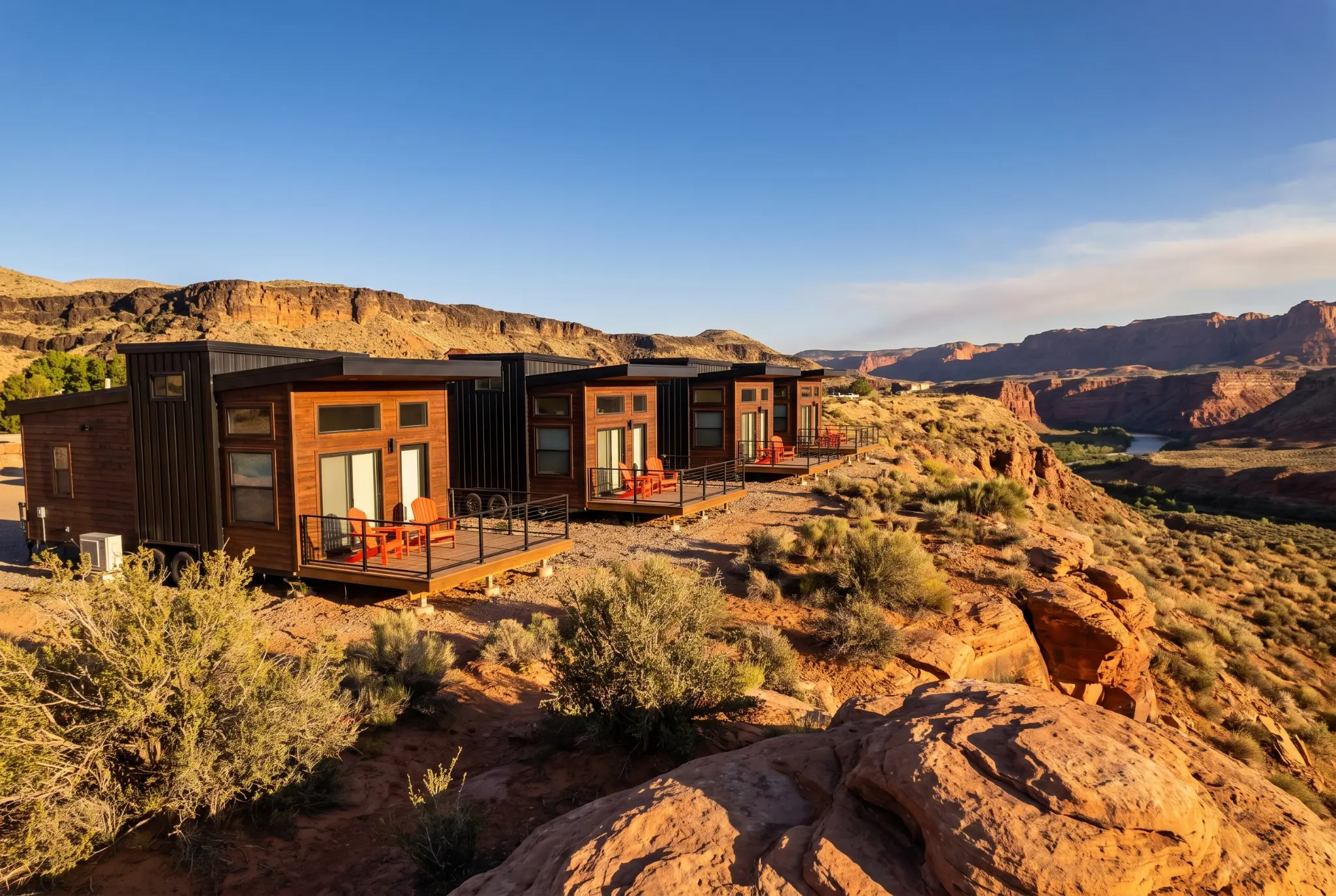
Whether you’ve already booked your next stay at The Dwellings or not, now is a great time to learn the 7 principles of Leave No Trace.
Another great way to do your part to protect our natural resources is to choose more sustainable lodging during your next outdoor adventure. Our tiny home vacation rentals are a unique take on smaller-footprint living. Book your next stay today to see for yourself!
[/et_pb_text][/et_pb_column][/et_pb_row][/et_pb_section]