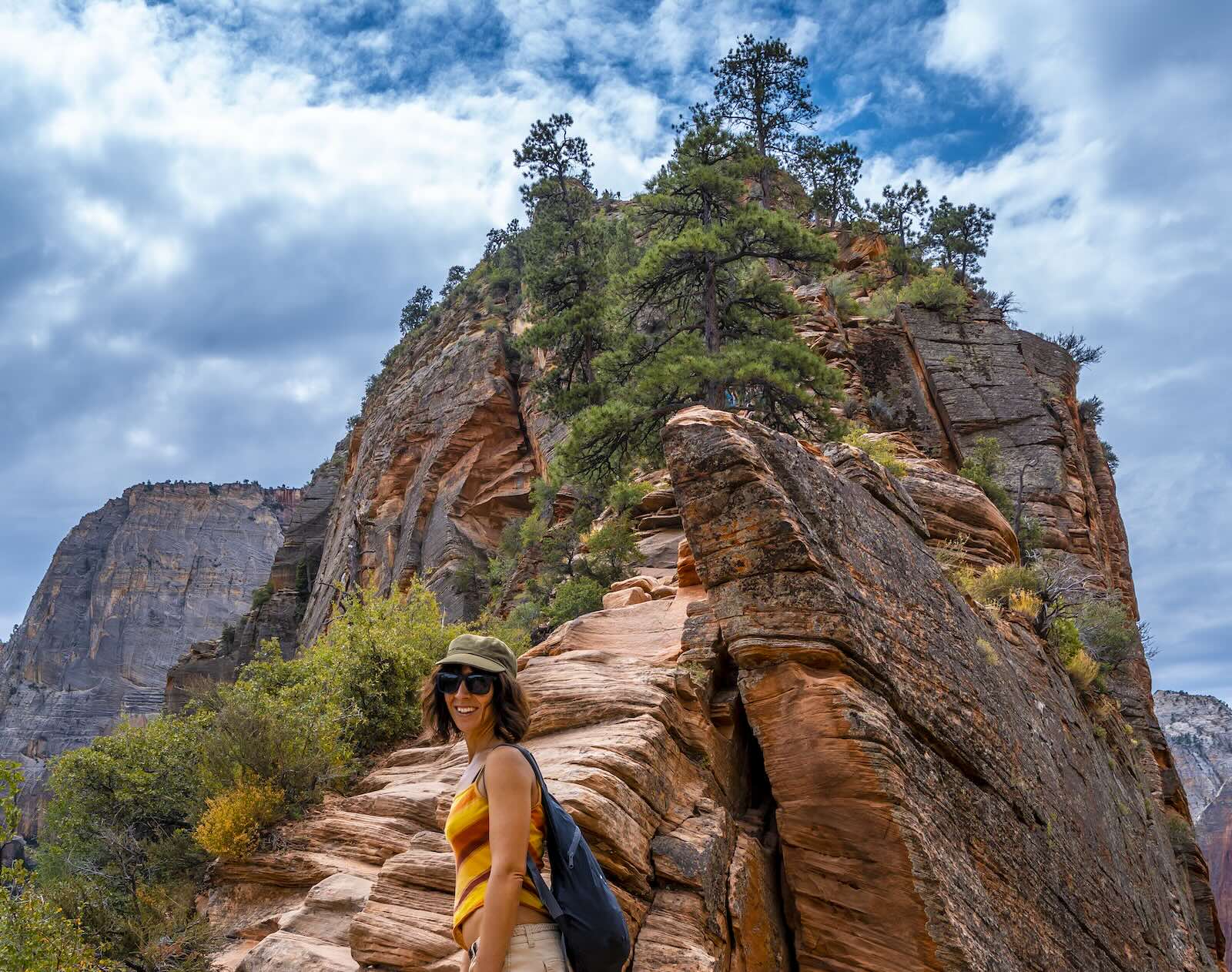
Introduction to Zion National Park
Nestled in the heart of southern Utah, Zion National Park is a true gem among America’s national parks. Renowned for its dramatic landscapes, Zion National is a haven for outdoor enthusiasts, photographers, and anyone seeking adventure. The park’s crown jewel, Zion Canyon, is carved by the Virgin River and framed by towering sandstone cliffs that glow with color in the changing light. Since its establishment in 1919, Zion National Park has become one of the most visited national parks in the country, drawing millions each year to experience its breathtaking scenery and diverse wildlife. Whether you’re hiking the legendary Angels Landing, taking in the sweeping vistas from Observation Point, or exploring the park’s many hiking trails, Zion offers an unforgettable escape into nature’s grandeur.
The Best Hikes in Zion National Park in the Fall
You could take in the changing leaves with a scenic drive this season. But there’s no better way to experience fall in Zion National Park than with a hike.
Many visitors are drawn to the most popular Zion hikes in the fall, but there are also lesser-known zion hiking trails that offer beautiful scenery and a quieter experience.
Hiking Zion is a great way to get up close and personal to the brilliant display of colors that arrive in the Canyon this time of year. Planning a visit to Zion this fall? Keep reading to learn a few hikes you might want to add to your itinerary.
1. Riverside Walk
Looking for an easy hike that’s family-friendly? Head to Riverside Walk. To get there via the Zion Canyon Shuttle, plan to hop off at the last shuttle stop, also called the Temple of Sinawava. This 2-mile round trip hike is a paved riverside walk and is relatively flat for the entire length, making it wheelchair and stroller friendly. As a short hike, Riverside Walk is perfect for families and those with limited time, offering scenic views with minimal effort.
Thanks to its location deep with the Zion Canyon, this trail is framed by towering red rock cliffs. You’ll wind your way into the canyon, meeting up with the Virgin River and following it deeper into the canyon. At the end of this trail, where you’ll turn around to head back to the parking lot and shuttle stop, the trail joins up with the famous Zion Narrows hike. If you’re planning to continue on, you’ll be getting your feet wet; the trail heads into the Virgin River from here.
The Riverside Walk offers some rare shade and a chance to see wildlife and foliage all year long. But it’s particularly beautiful in the fall. The changing leaves are stunning against the backdrop of the red rock cliffs and colorful rocks that line the Virgin River.
2. Angels Landing
Angels Landing is one of Zion — and the southwest’s — most well-known and popular hikes. To hike Angels Landing, you’ll start on a paved trail that leads from the trailhead before reaching the more exposed, chain-supported sections. From the peak of Angels Landing, at an elevation of more than 5,700 feet, you’ll have a chance to take in the entirety of the Zion Canyon far below. During the fall, this view is particularly stunning.
But while this might be one of the best fall hikes to take, it isn’t for the faint of heart or the ill-prepared. This hike is over 5-miles long, with an elevation gain of about 1,500 feet. Along the ascent, you’ll encounter steep switchbacks, especially as the trail climbs from the Grotto towards Refrigerator Canyon and Walter’s Wiggles, making this section both challenging and memorable. At the top, you’ll be perched on a ridge with steep drop-offs on either side, with only a chain-link handrail to hold onto. Before reaching the final chain section, Scout Lookout serves as a scenic rest spot and a popular turnaround point for those not wishing to continue to the summit. If you plan to check this trail off your bucket list, make sure that you plan ahead and prepare for this hike, as hiking angels is a thrilling challenge best suited for experienced adventurers.
3. Canyon Overlook Trail
Angels Landing might not be the best choice for new hikers or families with children. But that doesn’t mean that you can’t enjoy some incredible bird’s eye views of Zion Canyon. Canyon Overlook Trail is a very short hike that offers spectacular views. It’s located in the upper canyon, just 1-mile in length and rated easy to moderate, making it a better choice for those with less hiking experience or anyone looking for a quick hike. The trail is accessed from the east entrance of Zion National Park.
Because it is located in the upper canyon, the Zion Canyon Shuttle doesn’t stop at the trailhead. There is a parking lot, but keep in mind that this trail can get busy during popular times of the year, and the lot may fill in the middle of the day. With its shorter length and incredible views, this is a great trail to hike to enjoy the sunset in the canyon as well! You’ll definitely want to pack your camera if you’re planning to hike the Canyon Overlook Trail.
4. Taylor Creek Trail
Want to avoid the crowds on popular fall weekends in Zion? Head to Kolob Canyons. This lesser-known section of the park isn’t connected to the rest of the park and sees far fewer visitors each year. Taylor Creek Trail is accessed via Kolob Canyons Road, a scenic route that leads to several trailheads and viewpoints in this remote area.
While there are plenty of trails to enjoy in Kolob Canyon, Taylor Creek Trail is one of the best this time of year. This trail is 5-miles round trip, but with far less elevation change than Angels Landing. You’ll pass through a variety of landscapes during your hike, including a narrow box canyon and a quiet walk along tree-lined Taylor Creek. This is a great chance to see the many faces of fall in the region. Wildcat Canyon and the Wildcat Canyon Trailhead are also nearby, offering access to more remote and less-traveled hikes for adventurous visitors.
One unique feature of this trail is the two historic cabins located along it. Both cabins were built by settlers who came to the area in the early 1930s.
5. Observation Point
For hikers who want a challenge similar to Angels Landing but with fewer other visitors hiking it, head to Observation Point. This rugged hike is 8-miles long and climbs more than 2,300 feet in elevation gain. Most hikers complete the trail in under 6 hours, though this can vary depending on your speed and experience level.
The traditional starting point for the Observation Point hike is Weeping Rock, but you can also access the trail from the East Mesa Trailhead for a less crowded route. The East Rim Trail connects to Observation Point and offers high, scenic views above Zion Canyon. As you hike, the trail passes through the Zion Wilderness, providing a more secluded and pristine hiking experience.
The hike is lined with trees from start to finish, making for some incredible views during the fall months when the leaves change. While you might not be hiking the famous landmark, you will enjoy some great views of Angels Landing while hiking Observation Point.
Slot Canyons in Zion National Park
One of the most captivating features of Zion National Park is its collection of slot canyons—narrow, winding passageways sculpted over millennia by the Virgin River and its tributaries. The Narrows is perhaps the most famous slot canyon hike in Zion, inviting adventurers to wade and sometimes swim through the cool waters between towering canyon walls. For those seeking a more technical challenge, the Subway is a stunning slot canyon that requires canyoneering skills and offers a truly unique experience. The East Mesa Trail provides another perspective, with breathtaking views of the surrounding landscape and access to some of the park’s hidden gems. Exploring a slot canyon in Zion National is an awe-inspiring journey, where sunlight filters down through narrow cracks, illuminating lush vegetation and creating a magical atmosphere that’s unlike anywhere else.
Unique Landmarks in Zion National Park
Zion National Park is home to a remarkable array of unique landmarks, each offering its own sense of wonder. Angels Landing stands as one of the park’s most iconic features, with its narrow summit and panoramic views that reward those who brave the ascent. Observation Point, accessible via the East Mesa Trail, provides a bird’s-eye view of Zion Canyon and the surrounding wilderness, making it a favorite among hikers seeking a less crowded alternative. The Great White Throne, a massive sandstone monolith, dominates the skyline and is a must-see for any visitor. For a more tranquil experience, the Emerald Pools offer a series of sparkling natural pools and waterfalls, creating a peaceful oasis amid the desert landscape. These landmarks, along with many others scattered throughout Zion National, make every visit a new adventure.
Less Crowded Areas in Zion National Park
While Zion National Park is famous for its popular trails and bustling canyon, there are still plenty of places where you can find peace and solitude. The Kolob Canyons, located in the park’s northwest corner, offer dramatic scenery and a quieter atmosphere, perfect for those looking to escape the crowds. The Taylor Creek Trail is a hidden treasure, leading hikers along a gentle creek to the impressive Double Arch Alcove, with far fewer visitors than the main canyon trails. For sweeping vistas without the hustle and bustle, the Timber Creek Overlook Trail provides panoramic views of the surrounding landscape and is a great spot for reflection. Exploring these less crowded areas, such as Taylor Creek and Timber Creek Overlook, allows you to connect with the natural beauty of Zion National Park in a more intimate and serene setting.
Preparation and Safety
Before setting out to explore the wonders of Zion National Park, it’s important to be well-prepared and mindful of safety. Always check the park’s official website for the latest updates on trail conditions, weather, and any closures that might affect your plans. Bring plenty of water, snacks, and sun protection, and wear sturdy hiking boots and comfortable clothing suitable for the terrain. For challenging hikes like Angels Landing or the Subway, honestly assess your fitness level and experience before attempting the trail. Be aware of potential hazards such as flash floods, steep drop-offs, and encounters with wildlife, and take appropriate precautions to stay safe. By preparing thoughtfully and respecting the natural environment, you’ll ensure a memorable and enjoyable adventure in Zion National Park.
Planning a Fall Visit to Zion National Park
Not up for hiking, or looking for some other ideas for spending your next visit to Zion? There’s no shortage of other ways to experience the region, without having to lace up your hiking boots. Off-roading, a scenic drive, or even stargazing are all great activities to enjoy all year long. Be sure to check out the Zion Canyon Scenic Drive, a must-see route for sightseeing that offers stunning canyon views and access to many trailheads via the park shuttle system.
The visitor center and Zion Visitor Center are excellent starting points for hikes and for gathering park information, maps, and tips from rangers. They are conveniently located near popular trails like the Pa’rus Trail and Watchman Trail.
There’s no denying that fall is a great time to plan a visit to Zion National Park. From the changing leaves to the cooler temperatures, if you’ve only ever visited during the summer months, you’re missing out.
For a broader Utah adventure, consider combining your trip to Zion with a visit to Bryce Canyon, which is nearby and offers its own unique landscapes and hiking opportunities.
Ready to start planning a fall visit to Southern Utah? Book your stay at The Dwellings today!