Key Takeaways
- Southwest Utah serves as the gateway to Zion National Park, Bryce Canyon National Park, Capitol Reef National Park, Grand Staircase Escalante, Cedar Breaks National Monument, and the North Rim of the Grand Canyon—all within a few hours of each other.
- Kanab, St. George, and Bryce Canyon City make ideal bases for exploring the region over 4–7 days, with easy access via St. George Regional Airport and Highway 89.
- Standout experiences include stargazing under Dark Sky-certified skies, slot canyon hikes through narrow gorges, horseback rides among hoodoos, and pet-friendly stays at Best Friends Roadhouse in Little Hollywood Kanab.
- Timed entry systems and permits apply seasonally at major parks—always check current conditions before traveling.
- Beyond famous parks, hidden gems like quiet state parks, backcountry overlooks, and little-visited corners of Grand Staircase Escalante offer solitude and equally dramatic scenery.
Introduction: Why Southwest Utah Belongs on Your Shortlist
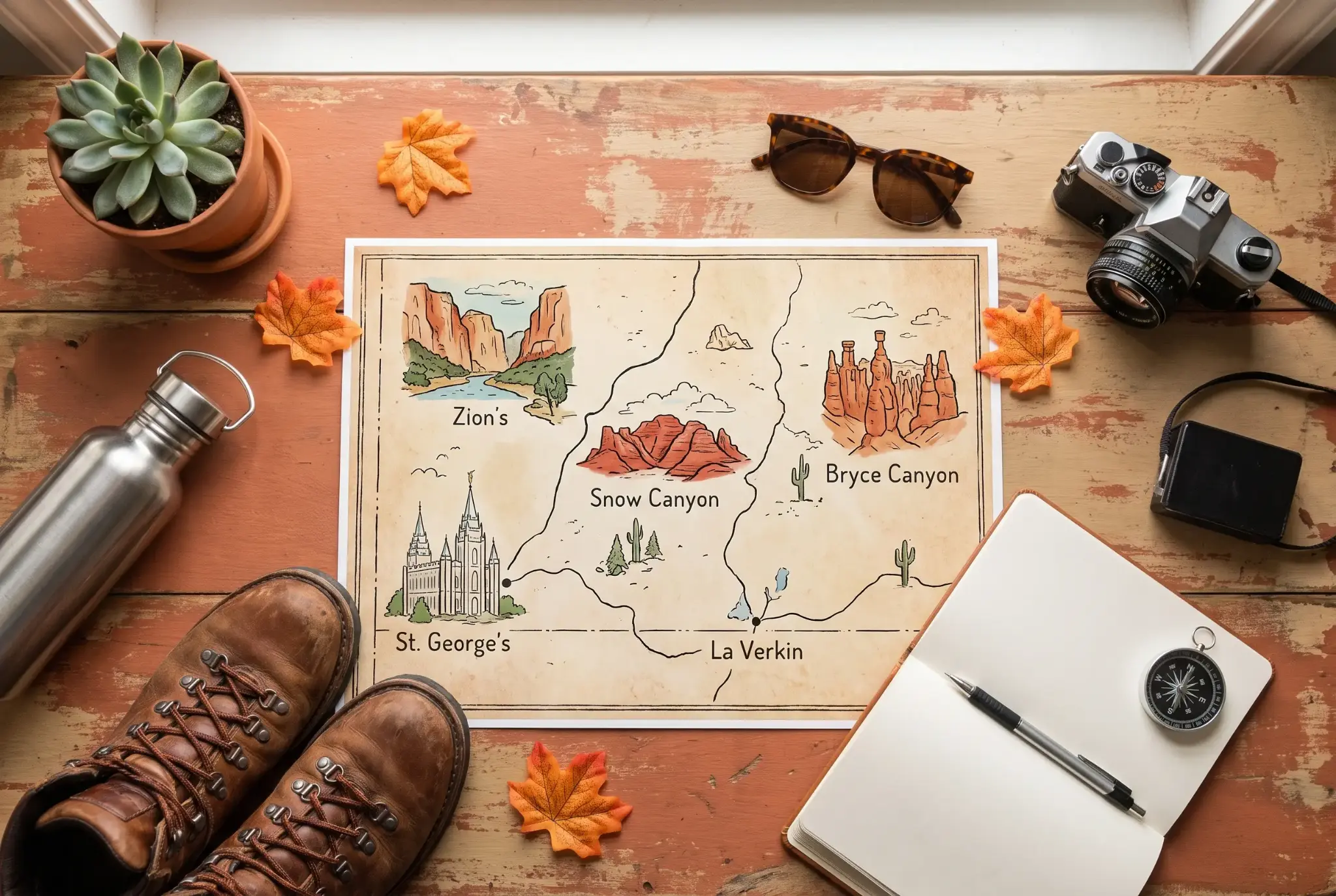
Southwest Utah is the red-rock heart of the American West—a region where towering sandstone cliffs, ancient hoodoos, and hidden slot canyons converge within a few hours’ drive. This corner of southern Utah anchors five national parks, multiple national monuments, and enough scenic backroads to fill a lifetime of exploration.
The region sits roughly between St. George, Kanab, and Bryce Canyon City, connected by the I-15 and Highway 89 corridor. While tourists flock to Zion and Bryce, the area holds quieter treasures: narrow slot canyons, dark-sky stargazing, and historic film sets where Butch Cassidy and the Sundance Kid once rode across the silver screen.
This guide is for first-time travelers planning 3–7 days, return visitors looking beyond Zion, and road-trippers connecting Bryce Canyon, Capitol Reef, and the Grand Canyon. You’ll find coverage of major parks, regional bases, sample itineraries, dining recommendations, and practical planning tips for permits and weather.
Southwest Utah at a Glance
The region’s main hubs include St. George (the largest city with a regional airport), Kanab (gateway to Grand Staircase Escalante and home to Best Friends Roadhouse), and the Bryce Canyon and Capitol Reef corridor along Scenic Byway 12—one of America’s most stunning highways.
Core National Park Cluster:
- Zion National Park
- Bryce Canyon National Park
- Capitol Reef National Park
- Grand Canyon North Rim (just across the Arizona border)
Cedar Breaks National Monument and Grand Staircase Escalante National Monument feel wilder and less crowded than the big-name parks, with additional viewpoints and side canyons accessible from Springdale and the surrounding Zion area. The region features world-class hiking and scenic drives in southern Utah through high-desert and alpine environments.
Seasonality: Late March through May and September through early October offer the best balance of mild temperatures and open facilities. June through August gets hot at lower elevations but remains ideal for higher-elevation areas like Cedar Breaks. Winter brings snow to Bryce and Cedar Breaks, along with quieter trails overall.
Plan at least 4 days for highlights, or 7–10 days to connect multiple parks without rushing.
Iconic Parks of Southwest Utah
Zion National Park: Canyon Walls and Riverside Trails
Zion National Park, along with Bryce Canyon and Capitol Reef, is part of Utah’s “Mighty Five” National Parks, known for stunning landscapes and outdoor recreational opportunities. Located about 45 minutes from St. George and just outside Springdale, Zion’s towering Navajo sandstone cliffs and the Virgin River define the park experience, especially for first-time visitors planning a Zion National Park trip.
Must-See Highlights:
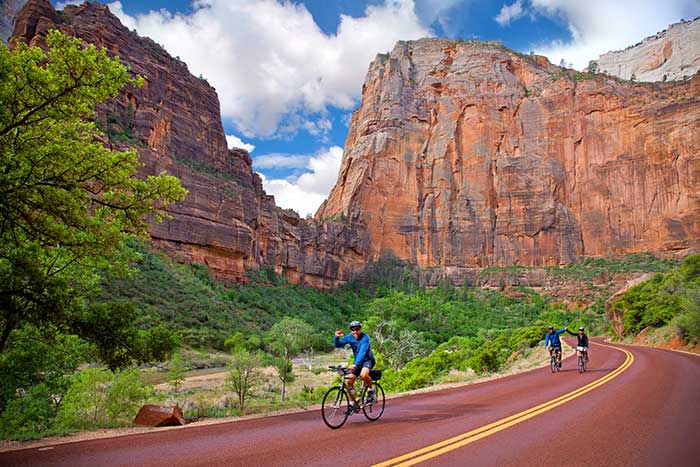
- Zion Canyon Scenic Drive
- Emerald Pools
- Canyon Overlook
- Angels Landing (permit required since 2022)
- The Narrows
The seasonal shuttle system restricts private vehicles on Zion Canyon Scenic Drive and Zion-Mount Carmel Highway from March through November. E-bikes have become popular for exploring this corridor at your own pace.
Timed entry and day-use systems change frequently—check Zion’s official NPS page for current permit requirements. Snow Canyon State Park near St. George offers a less-crowded complement to a Zion visit, featuring lava flows and red-white sandstone formations.
Bryce Canyon National Park: Hoodoos and High-Elevation Views
Bryce Canyon National Park features unique geological structures called hoodoos—spire-shaped rock formations creating a breathtaking landscape. Sitting at an elevation of 8,000–9,000 feet, Bryce delivers dramatic sunrise and sunset vistas unlike anywhere else on earth.
Main Rim Viewpoints:
- Sunrise Point
- Sunset Point
- Inspiration Point
- Bryce Point
Popular trails include Navajo Loop, Queen’s Garden, and other classic must-do hikes in Zion National Park. Expect snow and ice from late fall through early spring on many trails.
Horseback riding remains a classic Bryce experience—outfitters operate rides from Sunrise Point into the amphitheater roughly April through October, weather dependent. The park’s higher elevation means cooler temperatures even in midsummer, and stargazing here is exceptional due to minimal light pollution and certified dark skies.
Capitol Reef National Park: The Overlooked “Reef”
Capitol Reef National Park is known for its white domes of Navajo sandstone over red sandstone cliffs, offering a variety of outdoor activities and stunning views. This quieter member of Utah’s national parks centers on the 65-mile Waterpocket Fold, about 2–2.5 hours from Bryce Canyon along Scenic Byway 12 and Highway 24, and pairs well with other ways to explore southern Utah beyond hiking.
Key Areas:
- Fruita Historic District with orchards and legendary pies
- Capitol Reef Scenic Drive with short spur roads
- Cathedral Valley (high-clearance vehicles required)
The name “Capitol Reef National” combines the dome-shaped rocks (resembling a Capitol building) with “reef,” referring to the impassable ridgeline. Most travelers spend 1–3 days here, often pairing it with Bryce or Grand Staircase for a longer loop.
Watch for flash-flood forecasts in slot canyons and washes—conditions can change rapidly.
Cedar Breaks National Monument: A High-Altitude Amphitheater
Cedar Breaks National Monument is a high-altitude natural amphitheater similar to Bryce Canyon, sitting at an elevation of over 10,000 feet. Located about an hour from Cedar City and roughly 1.5–2 hours from Zion, it offers spectacular views with fewer crowds.
Signature Experiences:
- Overlooks along Highway 148
- Short rim hikes
- Late June and July wildflower displays blanketing high meadows
Snow closes the rim road much of the year—often from late fall into late spring—making access highly seasonal. Despite this limitation, Cedar Breaks feels like a hidden gem compared with crowded Zion and Bryce, with certified dark skies perfect for night photography.
Consider pairing Cedar Breaks with Brian Head for mountain biking in summer or snow sports in winter.
Grand Canyon North Rim: Southwest Utah’s Neighbor
The Grand Canyon’s North Rim offers a cooler, quieter counterpart to the South Rim, reached via scenic routes from Kanab or Zion. Though located in Arizona, it fits naturally into a southwest Utah trip, particularly for travelers based in Kanab.
Highlights:
- Bright Angel Point
- Cape Royal
- Point Imperial
The North Rim typically operates mid-May through mid-October, weather permitting. Lodging and services are limited—book well in advance during the operating season.
A classic multi-park loop runs Zion → Kanab/Grand Staircase → North Rim → Bryce Canyon, creating an unforgettable red-rock circuit.
Grand Staircase–Escalante and Other Hidden Gems
Grand Staircase–Escalante National Monument
Grand Staircase Escalante National Monument includes dramatic geological formations and features slot canyons across 1.7 million acres—the largest national monument in the contiguous United States. Southern Utah is home to some of the world’s highest concentrations of must-see slot canyons offering unique hiking experiences, narrow gorges formed through erosion that offer unique hiking experiences for adventurers.
Access Hubs:
- Kanab and Big Water (south/west)
- Escalante and Boulder along Scenic Byway 12 (north)
Iconic drives include Hole-in-the-Rock Road and Cottonwood Canyon Road—note that many roads require high-clearance vehicles and become impassable when wet. These slot canyons can be hundreds of feet deep and pose risks of flash flooding, making guided tours advisable for first-time visitors who also want photography tips for capturing Utah landscapes.
Check with BLM visitor centers in Kanab, Escalante, or Cannonville for updated road and weather information. Grand Staircase rewards travelers seeking solitude rather than developed park infrastructure.
State Parks and Quiet Corners
Utah’s state parks in the southwest rival many national parks in scenery but see far fewer visitors.
| State Park | Location | Highlights |
|---|---|---|
| Snow Canyon | Near St. George | Lava flows, sandstone formations, easy day hikes |
| Coral Pink Sand Dunes | Near Kanab | Massive shifting dunes, ATV riding, sunset photography |
| Quail Creek | Near St. George | Warm-water reservoir, paddling, swimming pool alternatives |
| Sand Hollow | Near St. George | Boating, swimming, red rock shorelines |
| Coral Pink Sand Dunes State Park is known for massive, shifting sand dunes popular for sand sledding and ATV riding. Build a state park day into any multi-day trip to escape crowds without sacrificing scenery. | ||
Less-Known Viewpoints and Backroads
Southwest Utah’s hidden gems include smaller, often unsigned overlooks and backroads offering big views with minimal foot traffic. Explore lesser-known overlooks near Bryce’s backcountry, remote viewpoints above Zion Canyon, or quiet side canyons off main Grand Staircase routes.
Many areas require high-clearance vehicles and navigation skills—use updated maps or GPS apps and don’t rely solely on cell service. Leave No Trace practices matter here: cryptobiotic soil can take decades to recover from a single footprint.
Local guides can open safe access to hidden gems like Kolob Canyon, Grafton Ghost Town, and other remote slot canyons and ridgelines you might otherwise miss entirely.
Film Lore, Little Hollywood, and Best Friends Roadhouse
Kanab: Little Hollywood of the Desert
Kanab, Utah, is often referred to as Little Hollywood due to its rich history as a filming location for numerous Western movies and TV shows, starting with the silent film “Deadwood Coach” in 1924. Over the following decades, the town hosted hundreds of productions including Butch Cassidy and the Sundance Kid and modern series like “Westworld.”
Accommodations in Kanab, known as Little Hollywood, include options reflecting the town’s cinematic history, with many establishments displaying memorabilia from famous films shot in the area. Restored movie sets, local museums, and historic lodges decorated with classic film star photos await visitors.
Kanab remains popular with filmmakers and content creators thanks to cinematic scenery combined with small-town infrastructure, and visitors can trace locations from iconic movies filmed in southern Utah’s red-rock country. Combine a morning exploring sets with an afternoon hike in nearby canyons.
Best Friends Animal Sanctuary and Friends Roadhouse
The Best Friends Animal Sanctuary in Kanab is the largest animal sanctuary in the United States, providing a home for over 1,600 animals and offering visitors a chance to interact with them in a beautiful desert setting. Tours cover different sanctuary areas, with options to meet adoptable animals, volunteer, or enjoy quiet scenic spots like memorial gardens.
Best Friends Roadhouse and Mercantile in Kanab is known for being one of the most dog-friendly hotels in the nation, offering accommodations designed for pets, including rooms with built-in dog trundle beds and a pet washing station. Pet-height water fountains and access to small dog runs make traveling with a friend genuinely comfortable.
A unique opportunity allows certain guests to host select sanctuary animals overnight—creating memorable extensions of the sanctuary experience.
St. George, Film, and Regional Culture
St. George serves as the largest city in southwest Utah, supporting the region’s arts, events, and growing film scene. The city and surrounding landscapes have hosted modern productions, building on the Little Hollywood legacy centered in Kanab, and make an excellent basecamp for exploring unique destinations around St. George.
Venues, festivals, and the university campus contribute to a lively cultural calendar travelers can tap into between park days, complementing southern Utah’s broader arts and culture scene. The region of southwestern Utah has significant cultural heritage tied to Native American tribes, particularly the Navajo Nation, with rich history and connection to the land, and it lends itself to day trips near St. George under three hours.
Combine cultural stops—museums, film sites, galleries, and regional festivals and cultural events—with nearby outdoor excursions to Snow Canyon or the Virgin River Gorge.
Suggested Itineraries: From Long Weekends to Week-Long Adventures
4-Day “Iconic Classics” Itinerary: Zion and Bryce Canyon
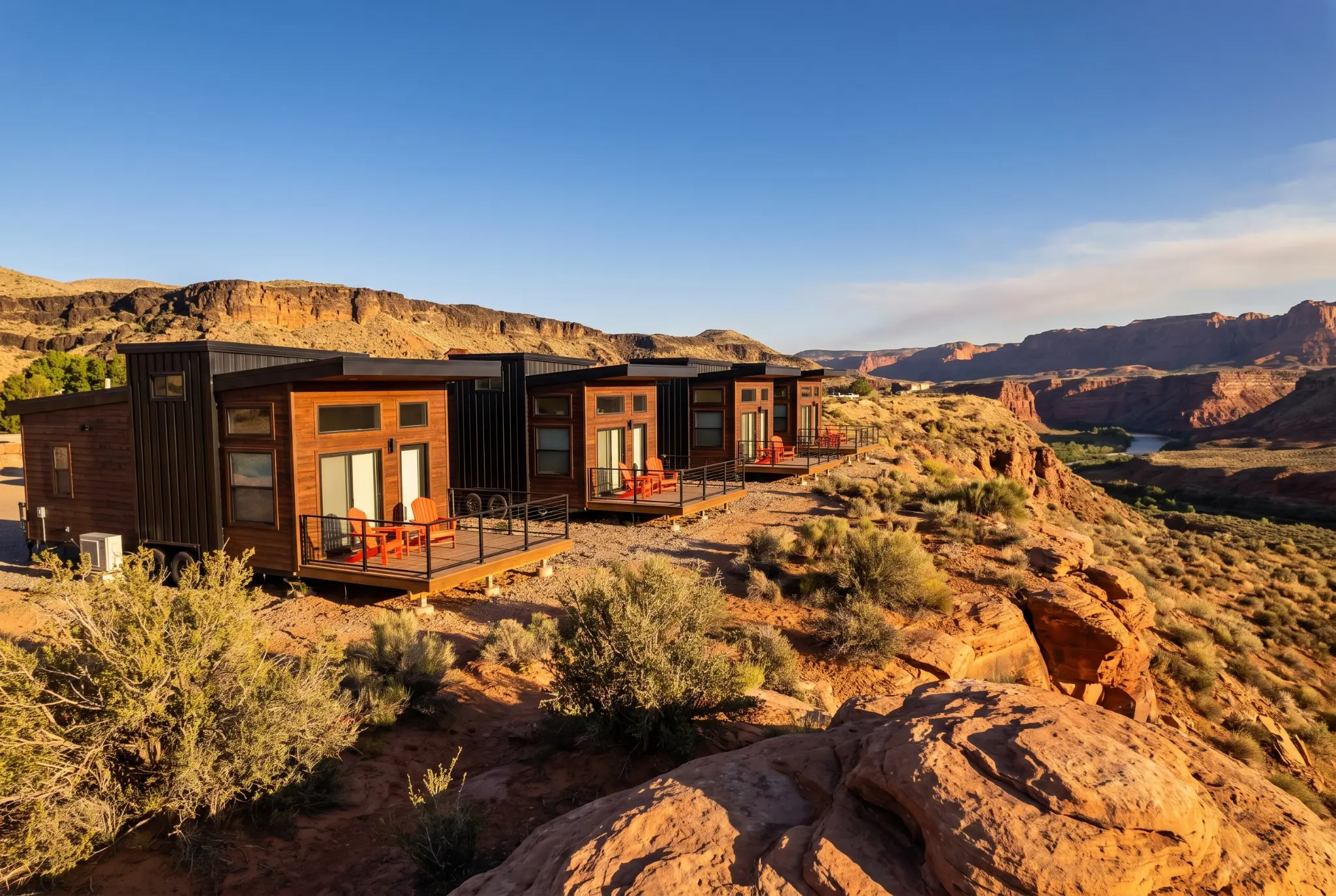
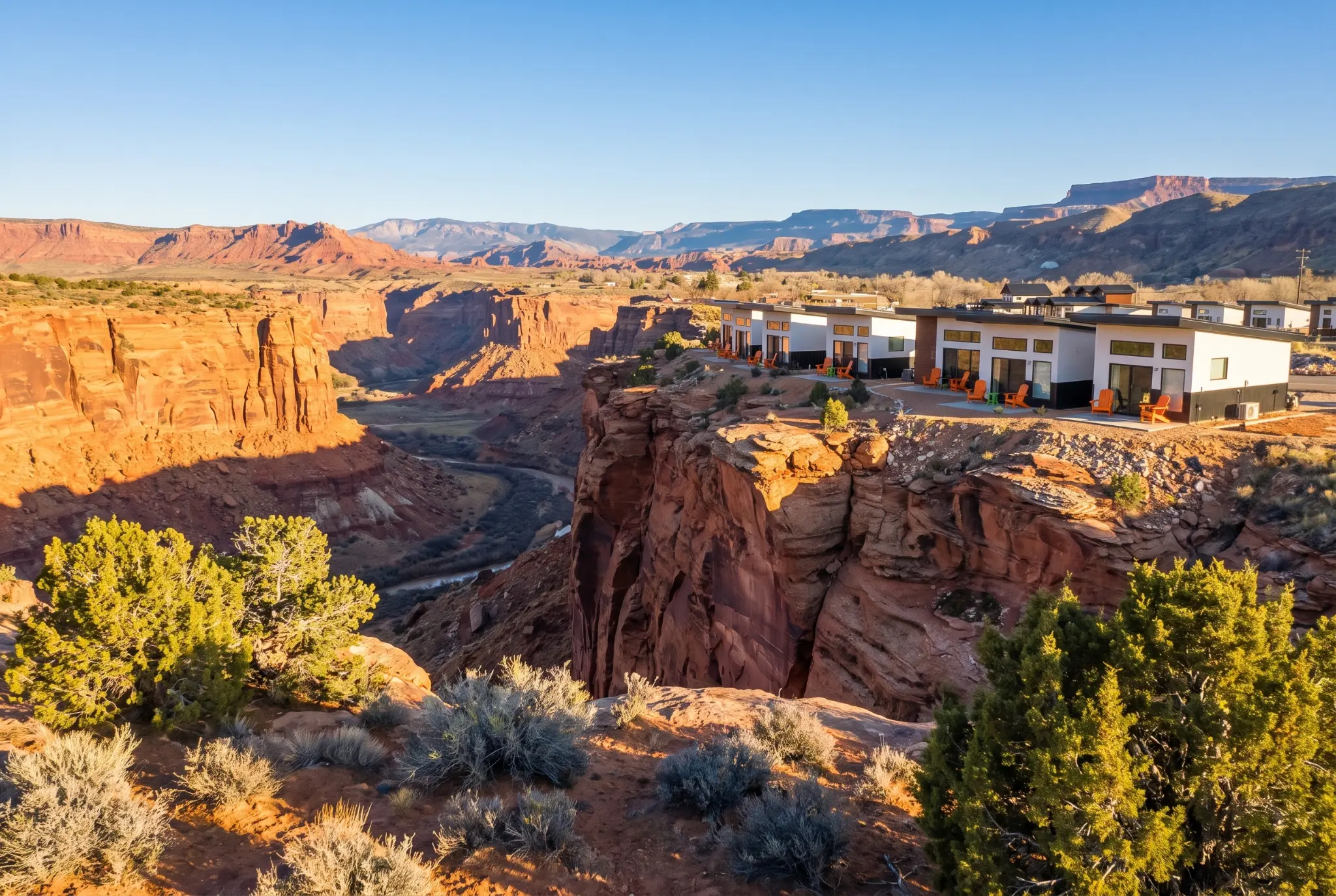
Ideal for first-time visitors flying into Las Vegas or St. George Regional Airport, especially those considering tiny home lodging near Zion National Park:
| Day | Focus | Activities |
|---|---|---|
| 1 | Arrive | Fly into St. George or drive from Las Vegas; easy Zion hike (Pa’rus Trail); sunset viewpoint |
| 2 | Zion | Full day exploring via shuttle or e-bike; one marquee hike plus mellow riverside walk |
| 3 | Bryce | Early drive to Bryce; main overlooks; Navajo Loop and Queen’s Garden; overnight near park |
| 4 | Depart | Sunrise at Bryce; optional horseback ride; return to St. George or Las Vegas |
5-Day “Base Camp Kanab” Itinerary
Use Kanab as a central hub for Zion, Grand Staircase, and Little Hollywood exploration:
- Day 1: Arrive St. George or Page; drive to Kanab; check into Best Friends Roadhouse or local hotel; evening stroll and dining
- Day 2: Day trip to Zion via east entrance; scenic viewpoints and moderate hikes; return to Kanab
- Day 3: Explore Grand Staircase from Kanab—short slot canyon walks or scenic drives
- Day 4: Morning at Best Friends Animal Sanctuary; afternoon at Coral Pink Sand Dunes or film-history tour
- Day 5: Optional Grand Canyon North Rim extension or final hike before departure
7-Day “Mighty Southwest” Itinerary
For road-trippers combining several national parks with Grand Staircase and Cedar Breaks:
- Days 1–2: Arrive St. George or Salt Lake City; two days in Zion exploring main and side canyons
- Day 3: Scenic drive to Bryce via Mount Carmel Junction; Highway 12 stops; sunset at Bryce amphitheater
- Day 4: Morning at Bryce; continue along Scenic Byway 12 through Escalante and Boulder; overnight near Torrey
- Days 5–6: Capitol Reef exploration, including Fruita area; optional Cathedral Valley backroad or deeper Grand Staircase day
- Day 7: Return west via high plateaus; seasonal Cedar Breaks detour; back to St. George or Las Vegas
Where to Stay and Eat in Southwest Utah
St. George and Nearby
St. George offers city conveniences—larger grocery stores, restaurants, and George Airport—within easy reach of Snow Canyon and Zion. The lodging mix includes chain hotels, vacation rentals, and growing boutique options for hikers and families seeking up-to-date Zion National Park info and planning details.
St. George’s dining scene ranges from casual Southwestern fare to refined establishments requiring reservations. Schedule at least one full day here for local trails and relaxed evenings. Note: summers get very hot—plan outdoor activities for morning and evening in July and August.
Kanab and the Grand Staircase Gateway
Kanab punches above its weight in lodging and food, thanks to its position between Zion, Bryce, Grand Staircase, Lake Powell, and the Grand Canyon. Options range from updated traditional motels to pet-focused Best Friends Roadhouse.
Kanab’s Sego restaurant offers New American cuisine that is mindfully sourced and artfully rendered, showcasing dishes like seared duck and foraged mushrooms paired with world-class wine. Utah’s non-alcoholic beverage scene is thriving, with many restaurants offering robust mocktail menus and drive-thru spots for “dirty sodas”—regular soft drinks mixed with creams, syrups, and candies.
Book ahead during spring and fall when Kanab fills with hikers and photographers.
Bryce Canyon, Capitol Reef, and Small-Town Stops
Near Bryce, lodging clusters around Bryce Canyon City with hotels, cabins, and campgrounds close to the park. Capitol Reef accommodations center around Torrey, where rustic motels and small inns dominate.
Hell’s Backbone Grill & Farm, located along Scenic Byway 12, is known for organic, farm-raised provisions and was the first restaurant in Utah to be named a James Beard Award semifinalist in 2022. Ofland, a collection of well-appointed cabins near Escalante, provides easy access to Grand Staircase and offers amenities such as a swimming pool and outdoor showers.
Check seasonal opening dates for higher-elevation businesses—some reduce hours in winter.
Practical Planning: Getting There, Permits, and Best Seasons
Getting to and Around Southwest Utah
Main Access Points:
- St. George Regional Airport (SGU) with flights from Salt Lake City, Denver, Phoenix, Dallas-Fort Worth, and Los Angeles
- Las Vegas as a major gateway a few hours south
- Salt Lake City for travelers combining north and southwest Utah
Key Driving Routes:
- I-15 connecting Las Vegas and Salt Lake City
- Highway 9 into Zion
- Highway 89 linking Zion, Kanab, Bryce, and the North Rim
- Scenic Byway 12 connecting Bryce to Capitol Reef via Escalante and Boulder
A car is essential—public transit is limited outside park shuttles, though RV travelers heading to Zion can follow dedicated planning guidance. Rent a vehicle with sufficient clearance if exploring unpaved roads in Grand Staircase or Capitol Reef backcountry. Watch fuel levels and carry water; services can be sparse between towns.
Permits, Timed Entry, and Current Conditions
Some marquee hikes require permits or timed entry systems—Angels Landing in Zion has required permits since 2022. General park entrance (covered by national park passes) differs from specific activity permits or shuttle reservations, which must be reserved separately through recreation.gov.
Monitor each park’s “Alerts & Conditions” page shortly before your trip for closures, construction, and shuttle operations. Check the weather and flash-flood risk before entering any slot canyon or wash.
Build flexibility into itineraries for temporary closures or unexpected crowds.
Weather, Safety, and Desert Etiquette
Hiking is best experienced in lower elevations during spring and fall, while summer is ideal for high-elevation areas like Cedar Breaks and Bryce. Expect sizzling afternoons in canyon bottoms during summer, cool nights at elevation, and snow at higher parks from late fall through spring.
Essential Safety:
- Carry more water than expected
- Sun protection and sturdy footwear
- Know your limits on steep or exposed trails
- Stay on designated trails to protect cryptobiotic soil
Natural Bridges National Monument, established in 1908, is Utah’s first National Monument and showcases the area’s geological and cultural significance, including ancient petroglyphs left by Native Americans. Treat petroglyphs, ruins, and sacred sites with care and respect, and remember that even gateway towns like Springdale’s shops and galleries around Zion reflect this blend of natural beauty and cultural heritage.
FAQ
How many days do I need to see the highlights of southwest Utah?
Four days covers a fast-paced trip through Zion and Bryce Canyon. For a relaxed loop incorporating Zion, Bryce, Capitol Reef, Grand Staircase, Cedar Breaks, and optionally the Grand Canyon North Rim, plan 7–10 days.
When is the best time of year to visit Zion and Bryce Canyon?
Late spring (April–May) and early fall (September through early October) offer the best balance of mild temperatures and open facilities. Summer is popular but hot at lower elevations. Winter brings snow and some closures at higher parks like Bryce and Cedar Breaks.
Do I need a 4×4 vehicle to explore Grand Staircase–Escalante?
Many scenic viewpoints and shorter hikes are accessible in a standard vehicle when roads are dry. Deeper backroads and certain trailheads require high-clearance—sometimes four-wheel drive—especially after storms. Check with local visitor centers before committing to dirt roads.
Is southwest Utah family-friendly for young kids and older travelers?
The region offers many short, gentle trails, rim overlooks, and roadside viewpoints suitable for various ages. However, some marquee hikes feature exposure, steep drop-offs, or deep sand that may not suit all visitors. Research specific trails before heading out.
Can I bring my dog to the national parks in southwest Utah?
Policies vary by park, but dogs are generally limited to developed areas, campgrounds, and a few paved trails (like Pa’rus Trail in Zion). Most backcountry hikes don’t allow pets. Consider pet-friendly lodging in town—like Best Friends Roadhouse—and nearby BLM or state park areas where leashed dogs have more access.