Millions of people across the country make their way into national parks each year. Most follow the rules — a select few don’t.
Sometimes, the result of their rule-breaking makes it on the news, such as one Yellowstone tourist’s recent run-in with a grizzly bear after getting too close while taking a picture. But most often, like in the case of vandalism, hiking off designated trails, or littering, their mistakes don’t make the news but leave a permanent imprint on the park and the animals that call it home.
Following the rules while visiting a national park is more than just responsible; it will also help you have a safer and more enjoyable trip. Keep reading to learn 7 things you should never do in a national park.
Introduction to National Parks
National parks are some of the world’s most treasured places, set aside to protect their unique natural, historical, and cultural value. These protected areas are established to conserve the environment, safeguard wildlife, and offer unforgettable experiences for visitors. In South Africa, the South African National Parks (SANParks) organization manages a diverse network of parks, each with its own character and charm. Among them, the Kruger National Park stands out as a true icon—not just in South Africa, but across the African continent. Established as one of the first game reserves in the region, Kruger National Park covers nearly 20,000 square kilometers and is home to an incredible diversity of wildlife, including the legendary Big Five: lion, leopard, rhinoceros, elephant, and Cape buffalo. Whether you’re a seasoned safari-goer or a first-time visitor, Kruger National Park offers a safari experience like no other, with opportunities to witness wild animals in their natural habitat, explore breathtaking landscapes, and learn about the rich history of conservation in Africa.
Choosing the Right National Park
With so many national parks to choose from, finding the perfect destination for your next adventure can feel overwhelming. Start by considering what kind of experience you’re after. If game viewing and classic safari experiences are at the top of your list, Kruger National Park and the Greater Kruger National Park—including its exclusive private reserves—are hard to beat. Here, you’ll find some of the best wildlife sightings in Africa, from herds of elephants to elusive leopards, all set against a backdrop of diverse landscapes. If you’re drawn to dramatic scenery and outdoor activities, Table Mountain National Park in Cape Town offers stunning views, hiking trails, and unique flora. Think about the level of comfort you want, too—Greater Kruger Park’s luxury lodges provide an upscale escape, while rest camps and self-catering options are perfect for a more rustic experience. Don’t forget to factor in the park’s location, accessibility, and the best time to visit, as weather and seasonal changes can affect both wildlife activity and your overall experience. Whether you’re planning a family trip, a romantic getaway, or a solo adventure, there’s a national park in South Africa that’s just right for you.
1. Touch the Wildlife
One of the biggest benefits of national parks is that they preserve delicate habitats for native plants and animals. But when you add in hundreds of thousands of tourists, some of which are seeing some animal species up close and in-person for the first time, incidents are common.
Always keep your distance from wildlife, no matter how small, while in a park. This includes seemingly harmless animals, like squirrels or deer. Unfortunately, it isn’t uncommon for these creatures to get very close to tourists — often, this is a result of previous tourists feeding them.
Touching, harassing, or feeding wildlife is always a big no-no. Besides being against the rules — and often, against the law — it can also be very dangerous. Larger animals may charge and many animals bite when they feel threatened. Some, including squirrels, carry diseases that can be transmitted to humans.
2. Leave a Trace
Feeding wildlife is a big mistake for several reasons. To start, it’s dangerous. But it’s also very dangerous for the wildlife. Many can’t digest human foods and may become ill. They may also develop a dependence on humans, and stop foraging or hunting for their own food.
But feeding wildlife directly isn’t the only thing you need to avoid. Leaving behind food scraps and other garbage in the park can lead to animals ingesting it. Pollution and litter in the park can also damage the landscape and affect plant life, not to mention affect the natural beauty of the park.
Always practice the principles of Leave No Trace. Whether you’re enjoying a picnic at an overlook or packing snacks for a hike, be sure to carry out everything you bring in, including garbage and leftover food.
3. Hike on a Whim
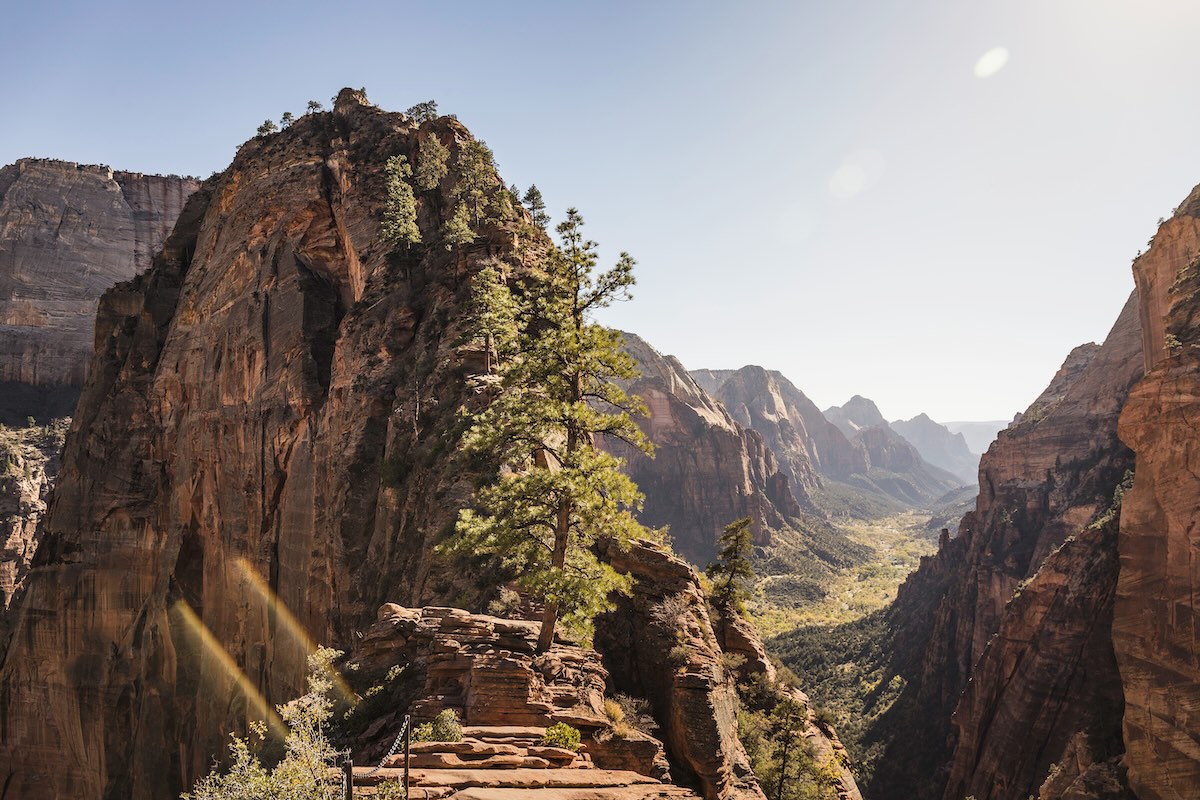
Zion National Park is home to dozens of hiking trails, with options for every experience level. Some are perfect for a relaxing afternoon walk with your family. Others are rugged hikes that will take the better part of the day for an experienced hiker.
While there is a trail for every visitor, it’s important to make sure that you’re choosing the right option for you, and that you’re prepared before you hit the trails.
Start by researching different trail options, and choose one that fits your experience level. If you haven’t hiked in years, Angels Landing might not be a great choice for your next visit.
In addition to researching and choosing the right trail, make sure to pack some gear to stay safe and comfortable on the trail. Pack more water than you expect to use, a small first aid kit, and layers of clothing in case the temperature changes during your hike. Always hike with a friend, and let someone back home know your hiking plans before you head out, just in case.
4. Vandalism
Tourists have been leaving their mark on our country’s national parks ever since they were first founded. Whether you’re adding your name to a rock, plucking plants, or damaging the landscape by creating their own trails, vandalism comes in many shapes and forms.
One of the most damaging is graffiti. Not only does it leave an unsightly mark on rock faces and boulders in the parks, but it can also damage the delicate microorganisms and plants that grow there.
Graffiti and other forms of vandalism are illegal and can result in fines and even jail time. During your time in Zion or other national parks, take as many pictures as you’d like and leave nothing but footprints — on marked trails — behind you. Leave No Trace
5. Remove Anything
Along the same lines as leaving your mark on the park, never take anything from it that you didn’t purchase at the gift card. Picking flowers, plucking leaves or even picking up loose sticks and rocks to take home all damage the ecosystem of the park.
While removing a single rock might seem harmless, it has a snowball effect on the wildlife and plants. Bugs may have lived beneath that rock, providing food for larger creatures. Removing rocks can also expose the earth underneath them to erosion.
If you want a souvenir from your trip, plan to make a stop at the Visitor Center or Zion Lodge to grab an awesome t-shirt or other gifts. Or, take plenty of photos and turn them into fun souvenirs like prints or ornaments when you get home.
Staying Healthy on a National Park Visit
A trip to a national park is all about adventure, but it’s important to prioritize your health and safety while exploring the wild. In many parks, especially those in Africa like Kruger National Park, taking precautions against malaria is essential—use insect repellent, wear long sleeves and pants, and consider anti-malarial medication, particularly during the summer months when mosquitoes are most active. Staying hydrated is key, especially if you’re spending long days in the sun or on game drives. Always carry enough water, and avoid strenuous activities during the hottest part of the day. For your safety, never walk alone in the park at night, as wildlife is more active and visibility is low. Follow all park rules, keep a safe distance from animals, and never feed wildlife. By taking these simple steps, visitors can enjoy the wonders of the park while staying healthy and safe throughout their adventure.
Dealing with Emergencies in a Remote Area
Emergencies can happen anywhere, but being prepared is especially important when you’re in a remote area like a national park. Before your trip, pack a well-stocked first aid kit and make sure you have a reliable way to communicate, such as a fully charged cell phone or a two-way radio. Familiarize yourself with the location of the nearest medical facilities and know how to contact park emergency services—Kruger National Park, for example, has dedicated staff and rangers trained to assist visitors in need. It’s also wise to share your itinerary and expected return time with someone outside the park, so help can be alerted if you don’t check in as planned. Whether you’re exploring the vast landscapes of Kruger or another national park, a little preparation goes a long way in ensuring your safety and peace of mind.
Enjoying a Safe Visit to Zion National Park
Knowing the rules ahead of time and always following posted signs and instructions while in the park is an easy way to enjoy a safe and memorable trip, and to protect our parks for future generations.
Ready to start planning your next visit to Zion National Park? Book your stay at The Dwellings today, and relax and recharge in the comfort of your very own tiny home vacation rental during your visit.
Conclusion and Final Tips
Visiting a national park is an adventure like no other, offering the chance to connect with nature, witness incredible wildlife, and create memories that last a lifetime. By choosing the right park for your interests, staying healthy and safe, and being prepared for the unexpected, you’ll set yourself up for a truly rewarding trip. Remember to respect the park’s rules, protect the environment, and be mindful of your impact on the delicate ecosystems you’re exploring. Consider planning your visit during the off-season or shoulder months to enjoy quieter landscapes and a more intimate wildlife experience. Whether you’re dreaming of game viewing in Kruger National Park, hiking through dramatic scenery, or simply soaking up the beauty of Africa’s wild places, a national park adventure awaits. Start planning your visit today and discover the magic that makes these parks some of the most special destinations in the world.