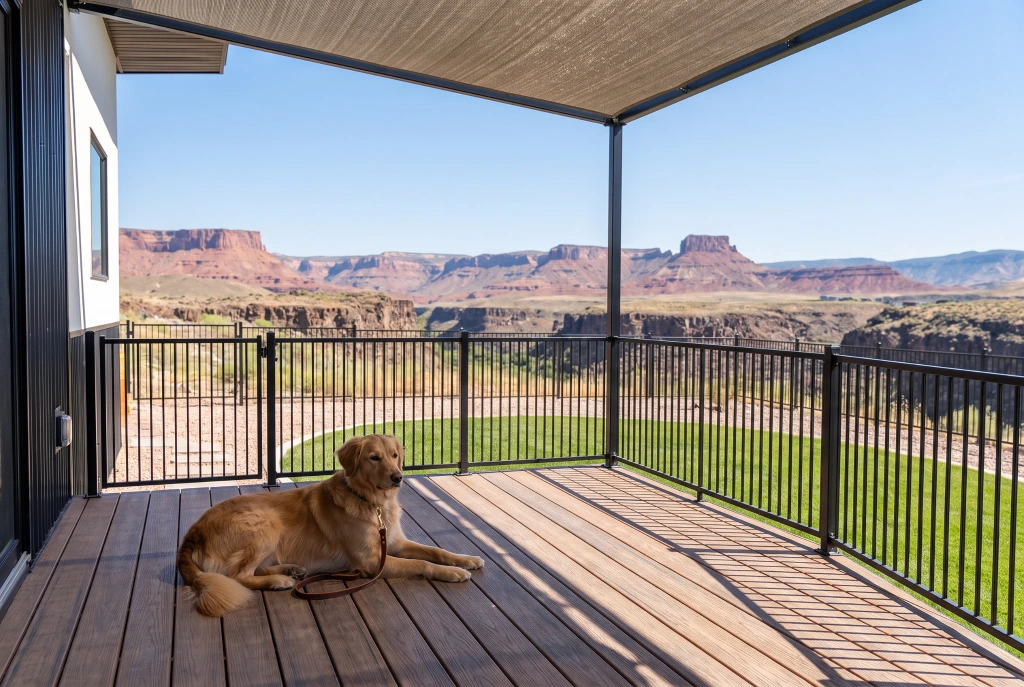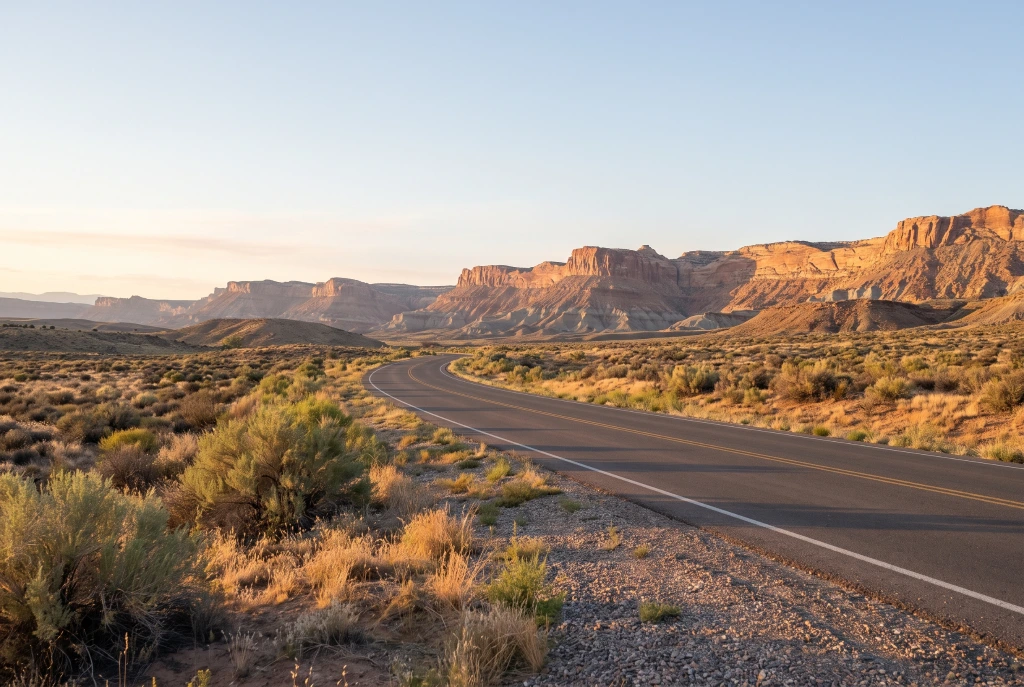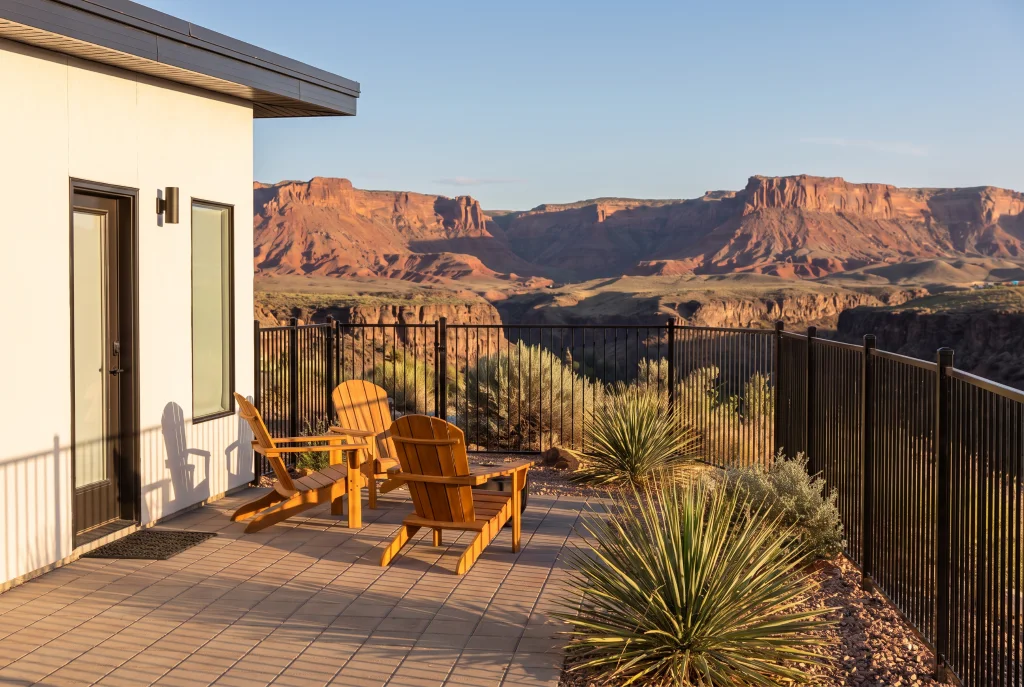
Whether you opt to relax on your own private patio or balcony or venture out to the many national and state parks located just a short drive from your tiny home rental, you’ll no doubt spot some wildlife during your visit to The Dwellings.
Capturing a Bighorn Sheep grazing in the canyon of Zion National Park or rabbits scurrying through the red dirt of Snow Canyon State Park may just become a favorite memory of your trip, and one you’ll certainly want to capture—especially given the incredible wildlife you can discover during your tiny home vacation. Wildlife photos can bring new life to your memories and portfolio, adding emotional depth and vitality to your photography collection. Unfortunately, snapping photos of wildlife in their natural habitats is often much harder than it looks.
If you’re eager to prepare to capture some stunning photos during your visit using a camera or even just your smartphone, keep reading to learn a few wildlife photography tips every beginner should know. Being in the right place at the right time is crucial for successful wildlife photography. To take engaging photos, you need to be engaged with what you’re doing.
Know Your Digital Photography Camera’s Settings
Even most modern smartphone cameras now come equipped with a variety of settings that help you take better photos, and understanding these tools is just as important when you’re applying Utah landscape photography tips to your wildlife images. These are great tools that, when used correctly, can help you get a clear, crisp shot of wildlife, or whatever else you’re trying to capture.
Look for settings designed for low-light and bright light, those with a quick “shutter” to help you capture a quick-moving target, and any settings you might have to make a zoomed-in image more clear. For stationary wildlife subjects, using the ‘one-shot’ autofocus mode is ideal, as it allows your camera to lock focus precisely on your subject.
Before your trip, make sure to get familiar with your camera’s settings. The last thing you want to do is waste even a minute of your vacation learning how to use your camera when you could have done so at home.
Consider an Upgrade
While smartphone cameras have come a long way in recent years, it’s important to remember that image quality alone isn’t everything.
If you think that your iPhone or Android is a good alternative to a traditional camera just because it takes high-quality images, think again. If you want more control over the images you’re taking, you can’t beat a DSLR. From the ability to zoom in to advanced settings for your shutter, ISO speeds, and more, you’ll quickly find that a camera that’s designed to, well, take pictures, is always going to beat a smartphone camera. DSLRs also allow for precise control over focus, which is essential for capturing sharp wildlife images.
That said, you can still take some incredible pictures using just your smartphone. By learning how to use any available settings, you can easily capture great pictures of wildlife that’s fairly close by, or frame sweeping vistas right from The Best View Ever tiny home at The Dwellings. And your smartphone is also perfect for getting a few selfies from your balcony, with the stunning mountains in the background.
Keep Snapping
Even if you think you got your shot the first time, keep shooting. Taking a continuous stream of pictures until the animal disappears will greatly increase your chances of getting that perfect picture. Remember to pay attention to the rest of the frame, not just the main subject, to achieve a more balanced and impactful composition.
Don’t stop to check out your pictures until the moment has passed. Otherwise, you may wind up missing your chance to get another picture if the first one didn’t turn out how you hoped.
Practice at Home First
You don’t have to have exotic wildlife prowling your backyard to practice your photography skills at home.
Practicing before you’re on your adventure in Southern Utah gives you a chance to get familiar with your equipment and become more comfortable taking photos of a moving target. If you have a household pet, this is a great starting point. Practice taking photos of them doing regular everyday activities, like playing, walking, or eating. Get used to quickly adjusting your camera’s settings, and learn which ones work best for capturing clear shots of moving targets. As you practice, try moving around and experimenting with different angles to change the relative positions and composition of the objects in your photos.
If you don’t have pets, head to your nearest zoo or farm—but if you do, consider staying in one of The Dwellings’ pet-friendly accommodations in Southern Utah, so your furry friend can join your photography adventures. While animals in pens are far easier to capture than those in the wild, this is still a great chance to get some practice in between your outdoor adventures. Even a busy bird feeder in your backyard can offer some great shots—and excellent practice.
Be Patient
Even after learning some strategies and practicing at home, you may not capture that perfect shot on your first try, or for many tries after that.
Shooting pictures of wildlife is never a guarantee, especially when you’re hoping to spot elusive species or birds and wildlife in Southern Utah’s skies. You may expect an animal to move a certain way or wish that they would hold still long enough to get your shot, but that won’t always be the case. Even getting close enough to get a clear picture isn’t always possible. Conditions outside, like rain or dusk, can also affect your ability to get a great shot. Many photographers have realized that patience and persistence are key to capturing great wildlife photos.
That’s why it’s important to be patient and not stress about getting that perfect shot. Doing so is not only unlikely to land you that shot, but will also cause you to miss out on enjoying an incredible moment during your trip.
Composition and Framing
Composition and framing are essential elements in digital photography, especially when it comes to wildlife photography. The way you arrange the subject within your image can transform an ordinary photograph into a captivating work of art. One of the most effective photographic techniques is the rule of thirds: imagine dividing your camera’s viewfinder into a grid of nine equal parts, then position your subject along these lines or at their intersections to create a balanced and engaging photograph. Leading lines—such as a winding trail or a fallen log—can guide the viewer’s eye directly to your subject, making your image more dynamic.
Framing is another powerful tool, and your time behind the camera can be enriched by pairing your shoots with local food and adventure activities around The Dwellings. Use natural elements like tree branches, rock formations, or even the arch of a canyon to create a frame around your subject, drawing attention and adding depth to your shot. With digital cameras, you have the flexibility to experiment with different angles and perspectives, and post-processing allows you to refine your composition even further after the shot is taken. For example, using a camera lens with a wide aperture can blur the background, making your subject stand out and creating a sense of intimacy—an approach often used by professional photographers in wildlife photography. Don’t be afraid to try new techniques and review your images during post-processing to see what works best for your style.
Post Processing and Editing
Once you’ve captured your wildlife photos, post-processing and editing become crucial steps in bringing out the best in your images. In the days of non-digital photography, this meant developing film and printing on photographic paper, but digital photography has made the process more accessible and versatile. By editing your raw files with software like Adobe Lightroom or Photoshop, you can fine-tune exposure, adjust color balance, and enhance details that might not have been visible in the original shot.
Professional photographers often spend considerable time in post-processing, as it can dramatically improve the quality and impact of a photograph, just as planning non-hiking outings like unique ways to explore Southern Utah beyond hiking can diversify the stories your images tell. For example, in macro photography, editing can help highlight the intricate details of a subject, making textures and colors pop. You can also remove distractions, reduce noise, and apply creative effects to set the mood of your image. Remember, the goal of post-processing is to enhance the image produced by your camera, not to completely alter reality—subtle adjustments often yield the most natural and striking results. Don’t hesitate to experiment and develop your own editing style as you grow more comfortable with the process.
Staying Safe and Respectful
When taking pictures in the wild, your safety and the well-being of your subjects should always come first. Wildlife photography often means working in unpredictable environments, so it’s important to stay aware of your surroundings and take necessary precautions. For example, keep a safe distance from animals, avoid sudden movements, and never attempt to feed or lure wildlife for a better shot. Not only does this protect you, but it also ensures that the animals remain undisturbed in their natural habitat.
Respect extends beyond wildlife—when photographing people, always ask for permission before taking pictures, and honor their wishes if they decline. Being mindful of your impact on the environment is equally important; stick to designated trails and avoid trampling sensitive vegetation. By practicing ethical and responsible photography, you’ll not only capture stunning images but also help preserve the beauty and integrity of the places and subjects you photograph—values that align with the eco-minded design of The Dwellings’ co-living tiny homes near Zion.
Sharing Your Work and Getting Feedback
Sharing your wildlife photos is a rewarding part of the digital photography process, and it’s a great way to connect with other photographers and enthusiasts. Platforms like social media, photography forums, and online galleries make it easy to showcase your work and receive feedback from a diverse audience, including professional photographers. Constructive feedback can help you identify strengths and areas for improvement, whether it’s your post-processing techniques or your approach to composition.
Consider joining photography communities or clubs, where you can participate in discussions, attend workshops, and even enter competitions or exhibitions—and share ideas for top Christmas gifts for outdoor adventure lovers who might enjoy joining you on your next photo trip. These experiences not only provide valuable feedback but also inspire you to keep learning and experimenting with new photographic techniques. By sharing your images and engaging with others, you’ll continue to grow as a photographer and create pictures that truly resonate with viewers. Don’t be afraid to put your work out there—every post is an opportunity to learn and improve.
Planning a Wildlife Photography Adventure in Southern Utah
Whether you’re dreaming of spotting Bighorn Sheep or Jackrabbits, or are on the hunt for a glimpse of even rarer creatures, like Desert Tortoises, foxes, or coyotes, The Dwellings is the perfect base camp for your next photography adventure, no matter the best season to visit Southern Utah and The Dwellings. Book a weekend and spend it hopping around to local wildlife hotspots. Or, spend a week or more exploring the area and honing your photography skills. Regardless of your skill level, we’re certain you’ll return home with a camera full of photos you’ll cherish.
To get the most out of your experience, treat each photography outing as a project—organize your photos by theme or location to build a cohesive portfolio and make image retrieval easier for future assignments.